
My Gallery
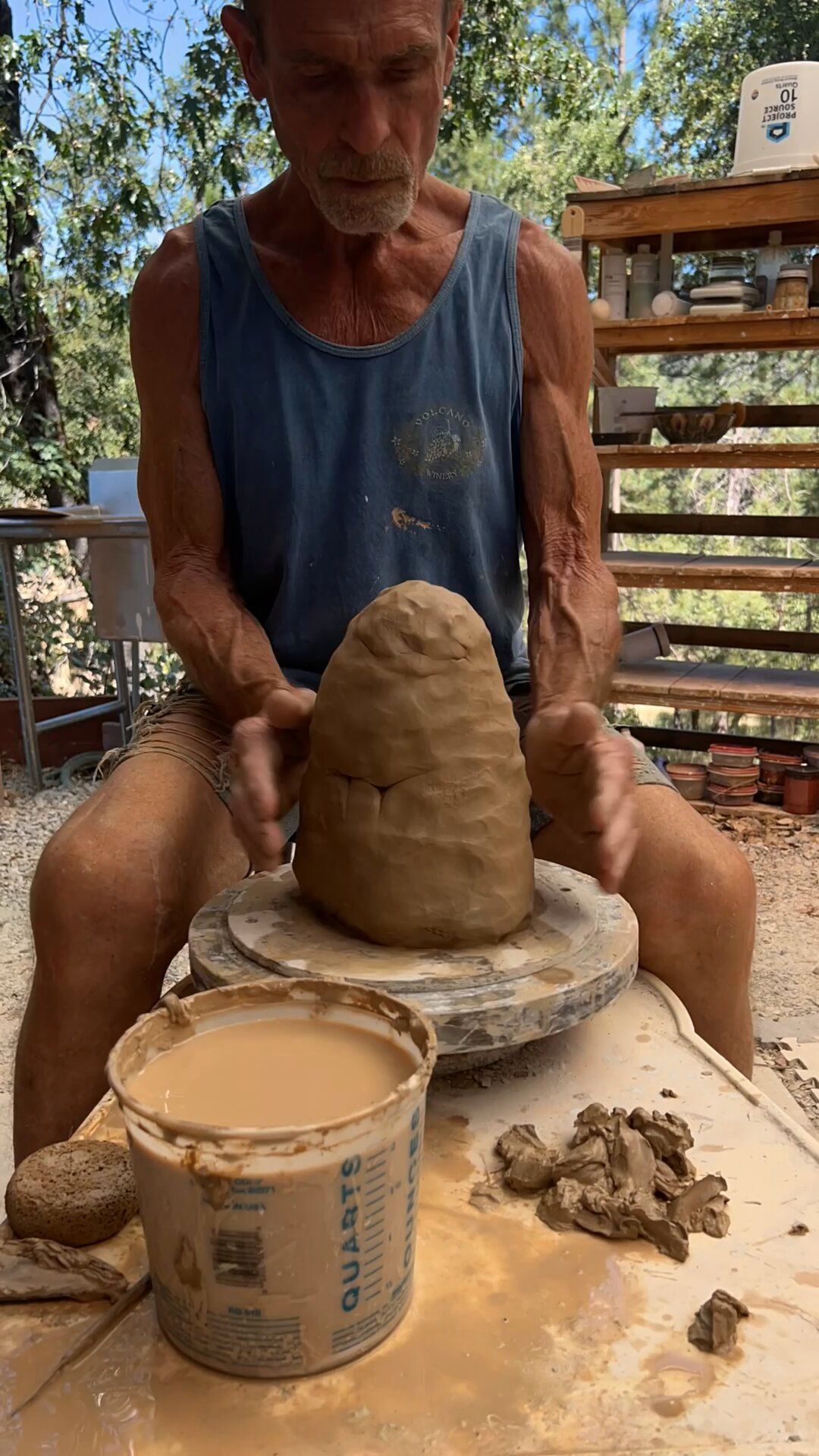
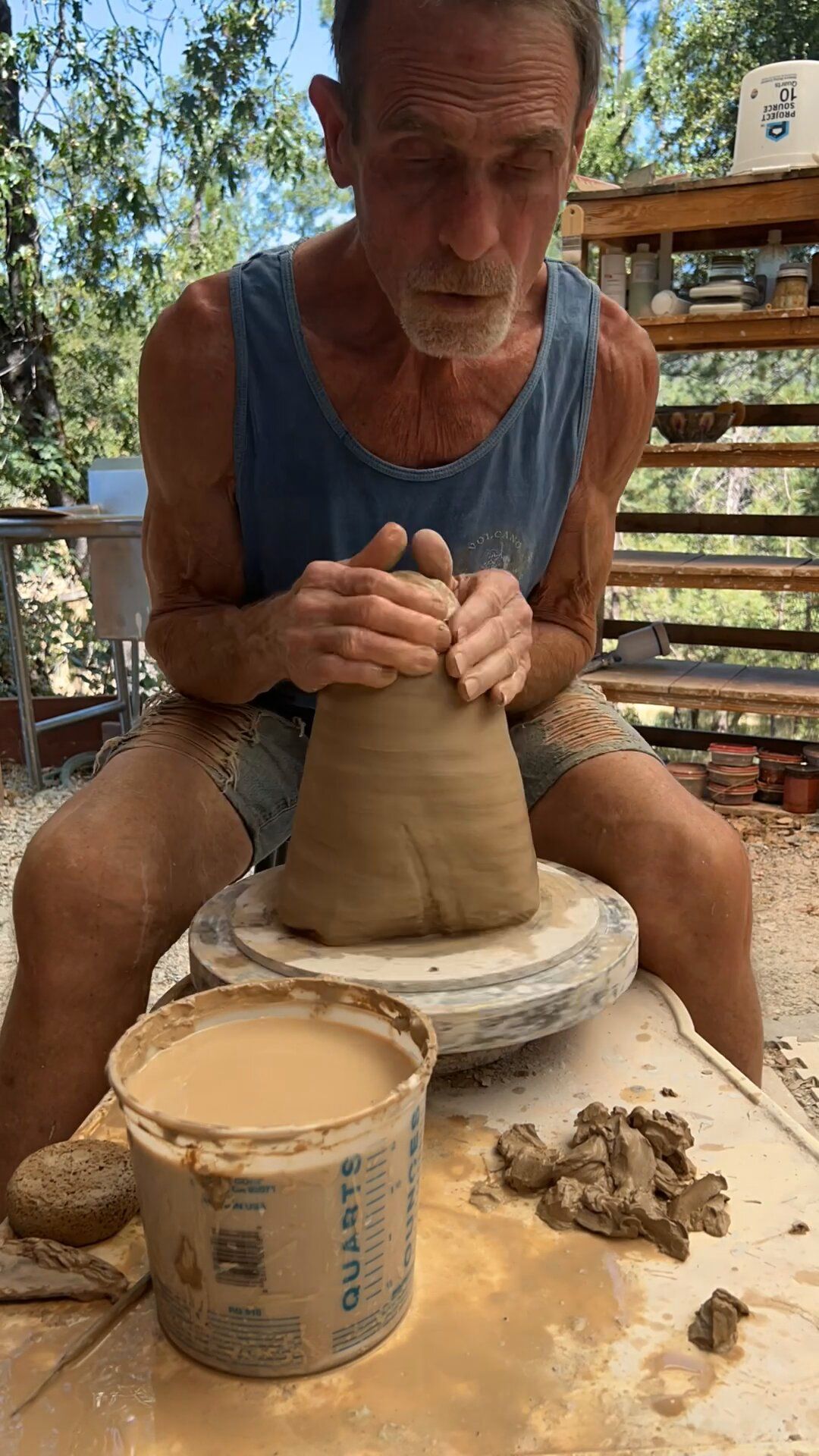

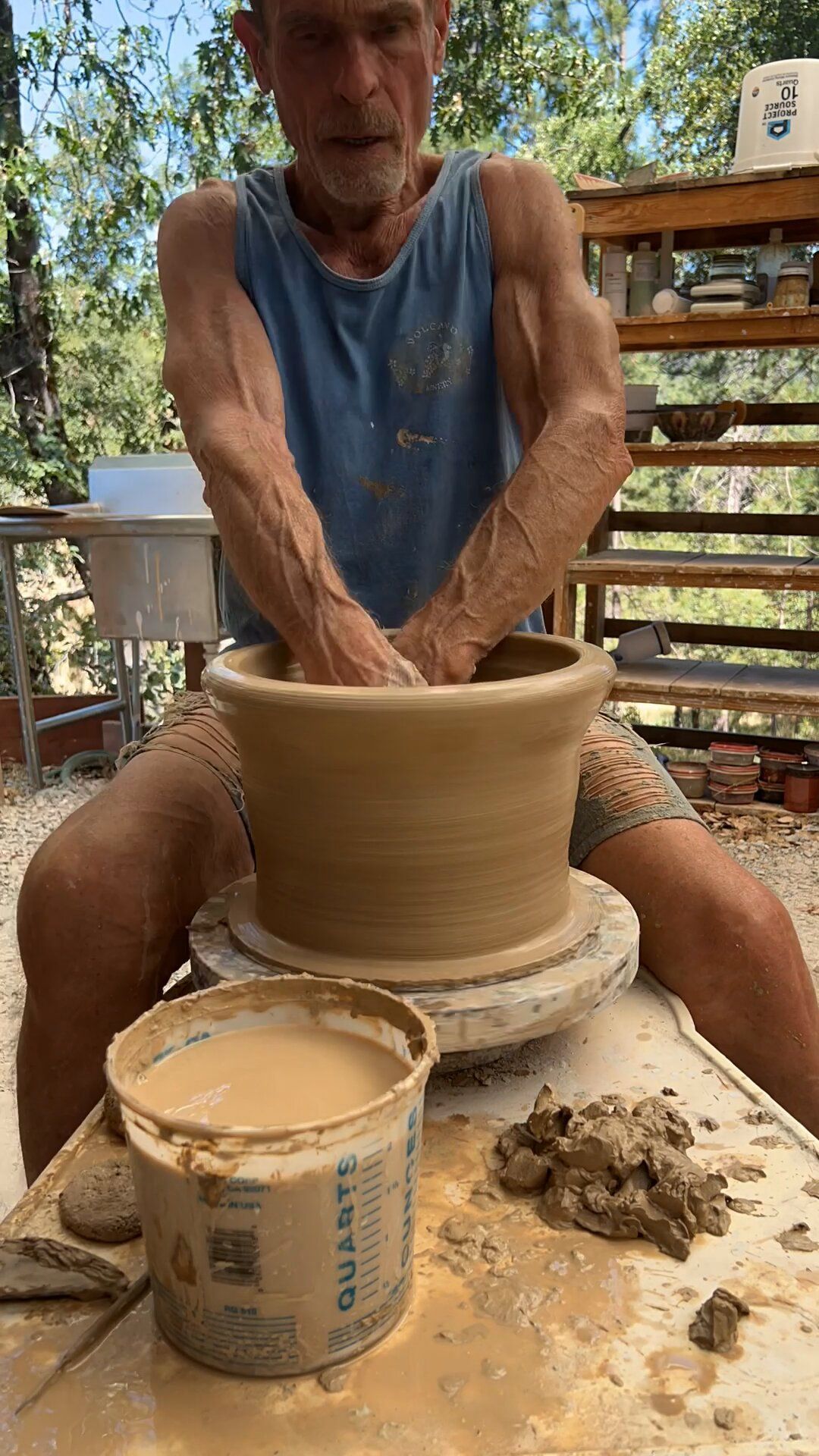
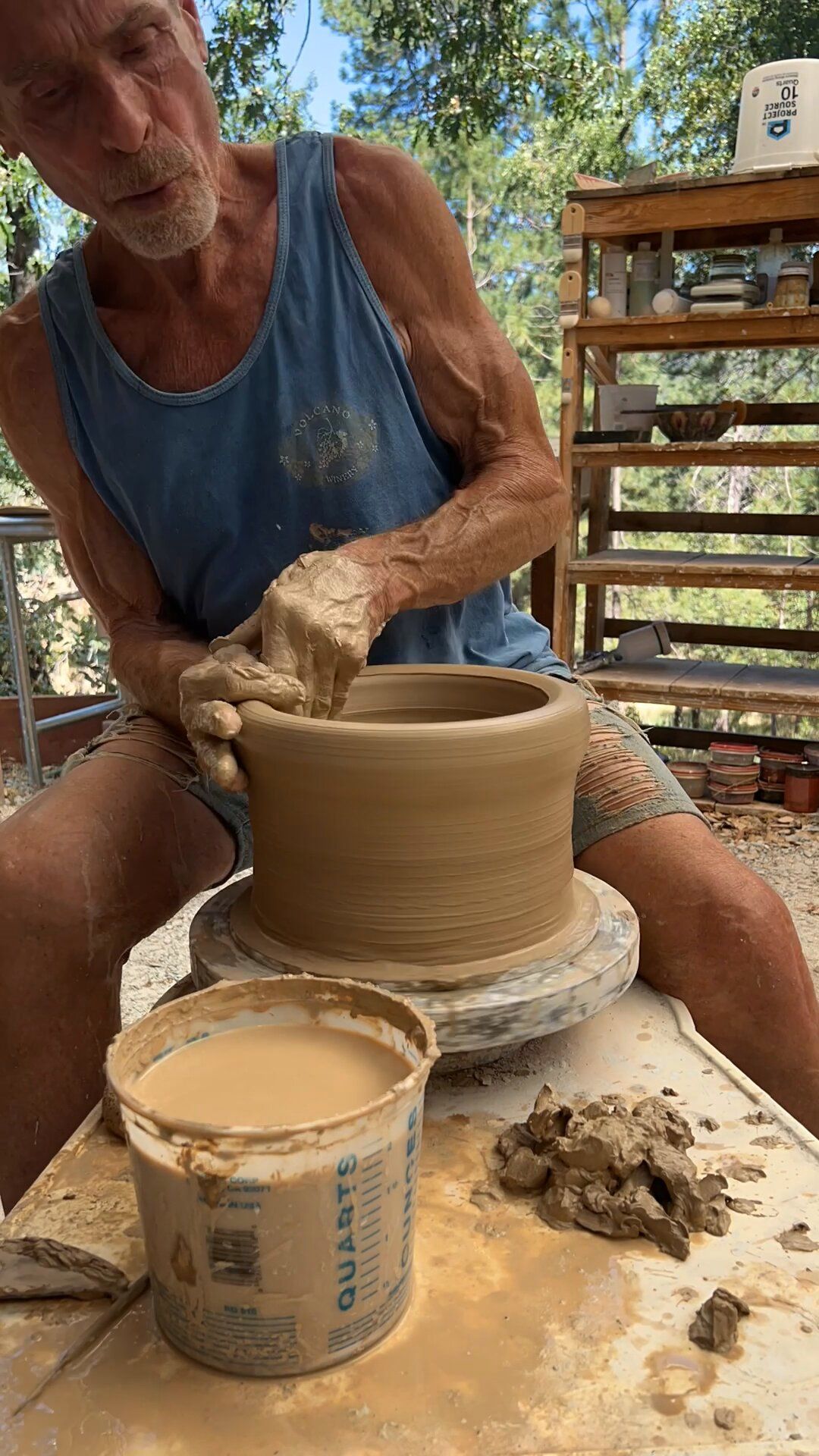
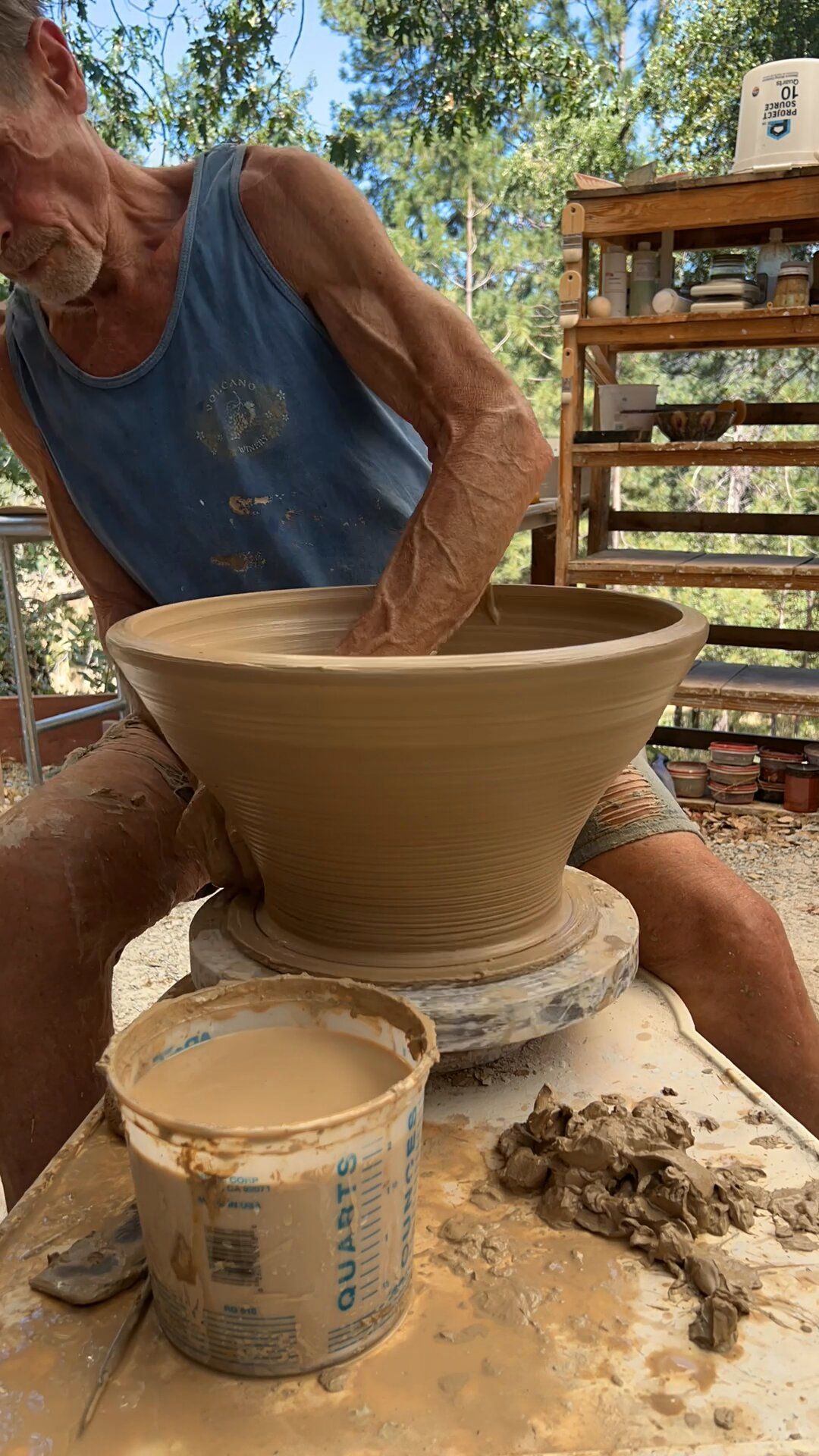
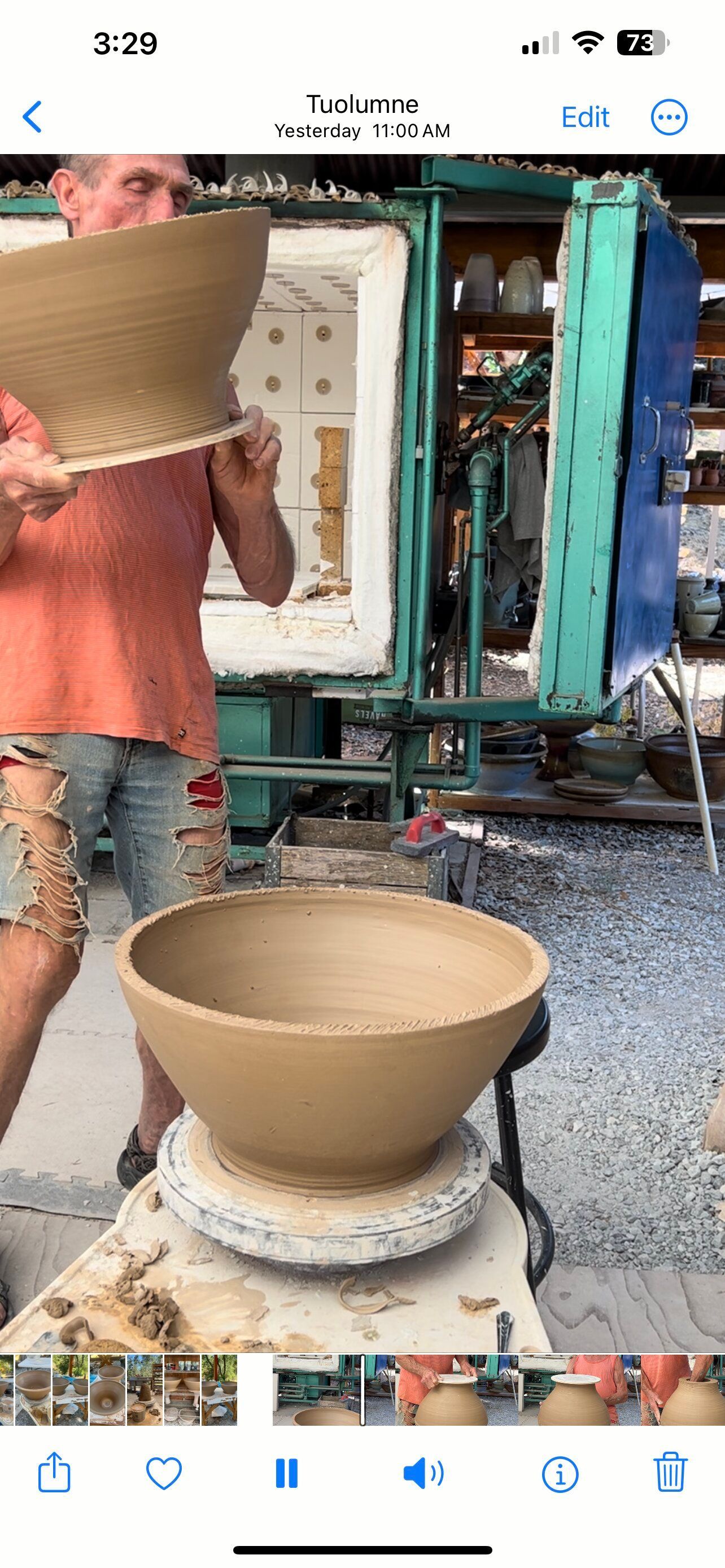

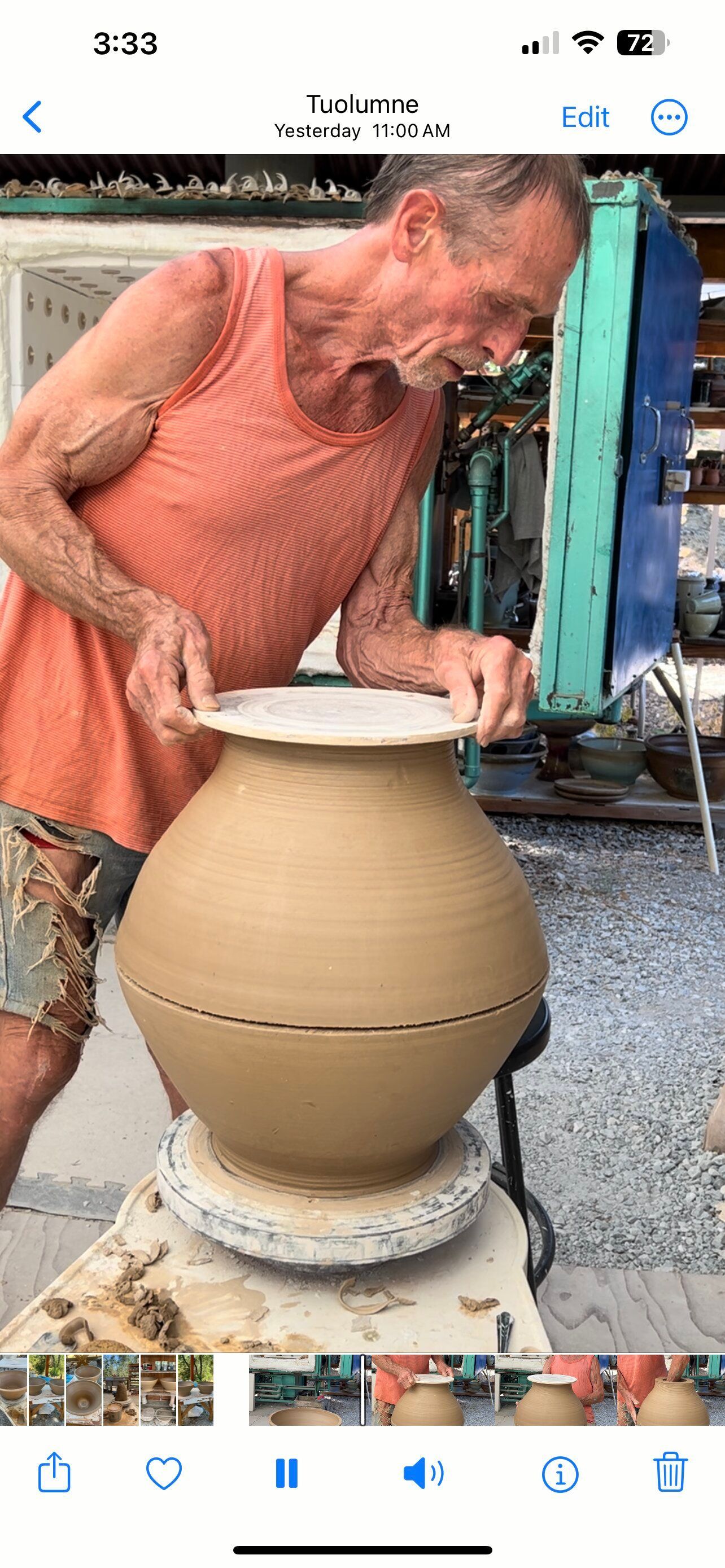
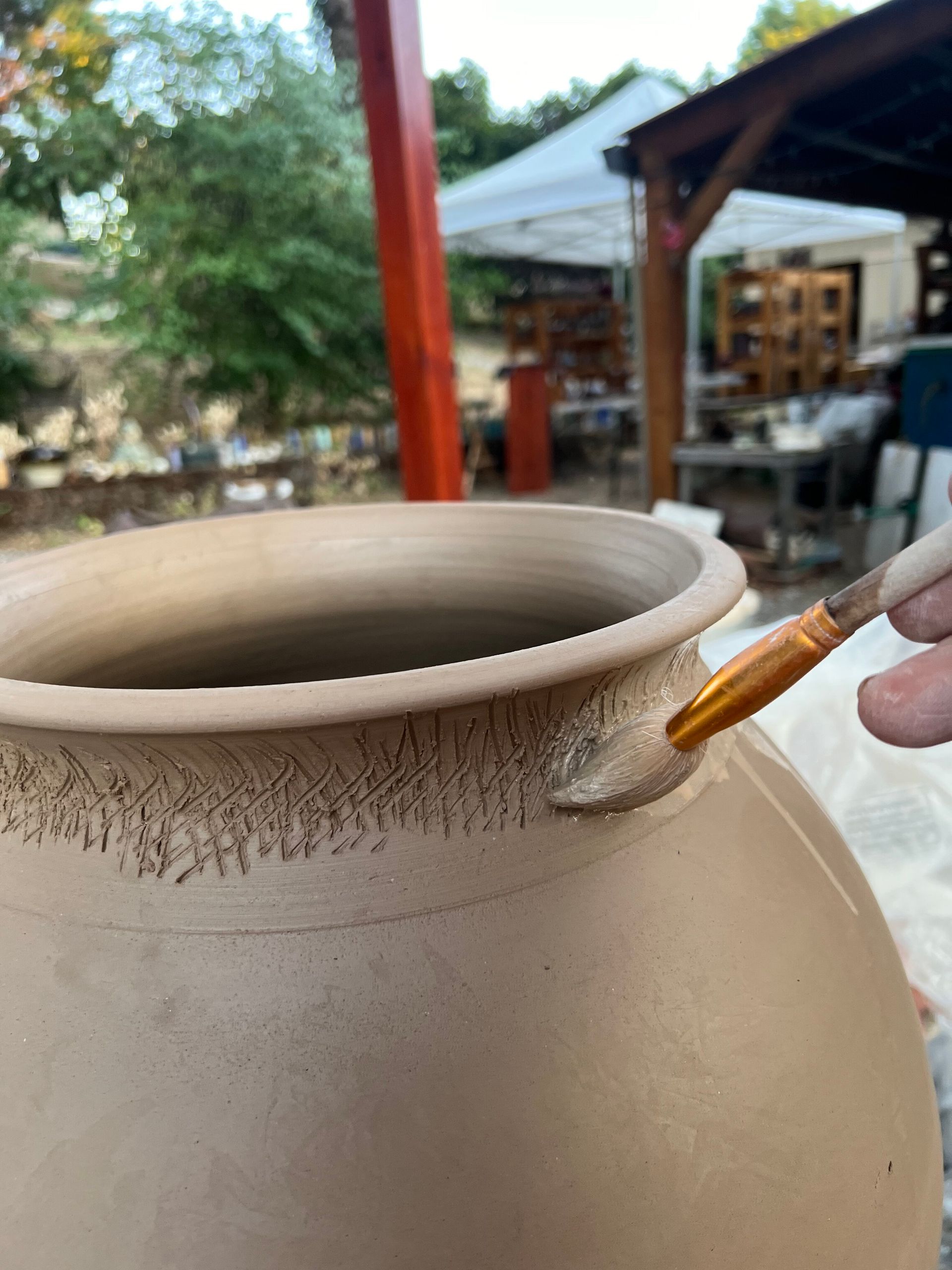
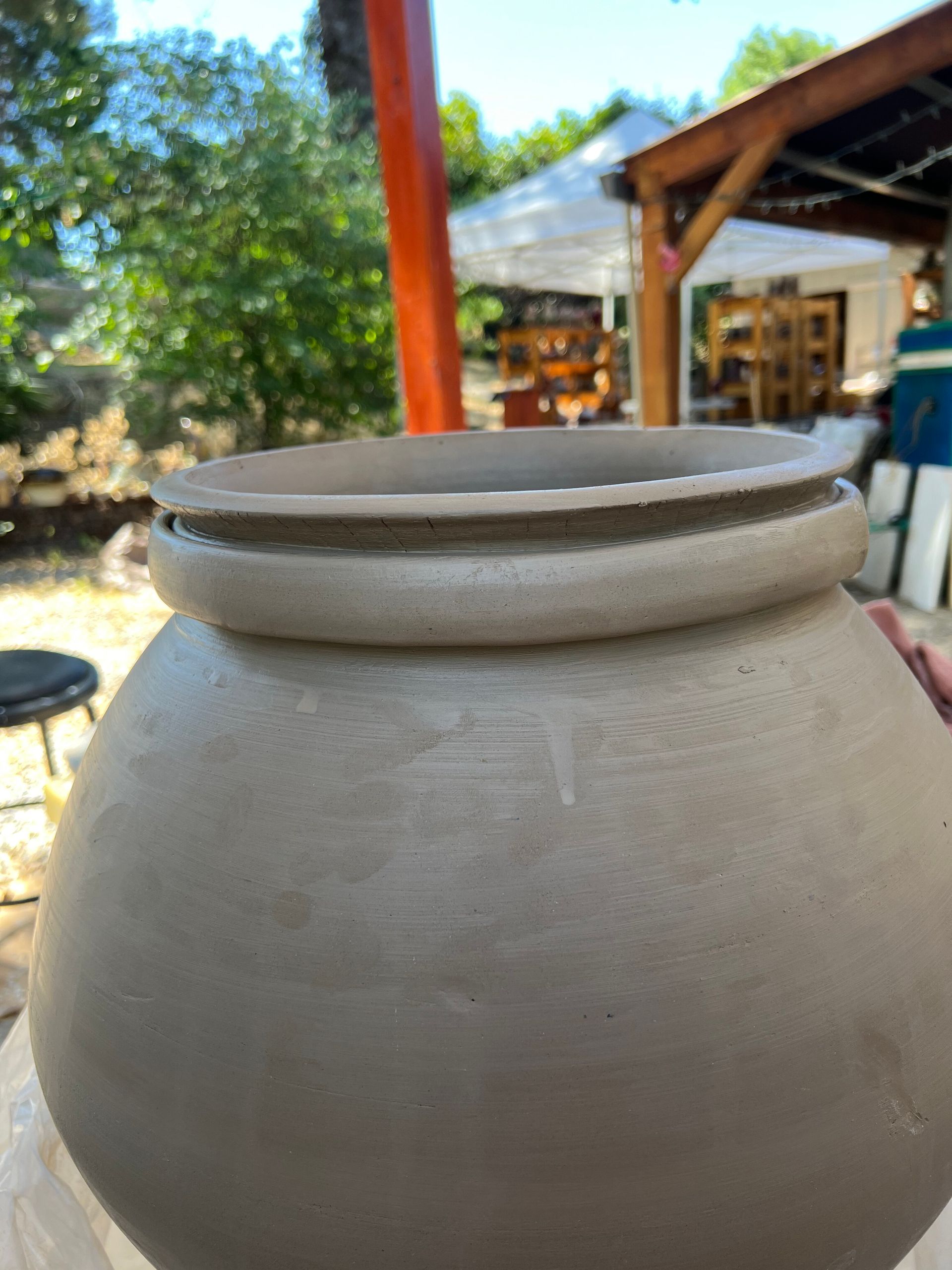
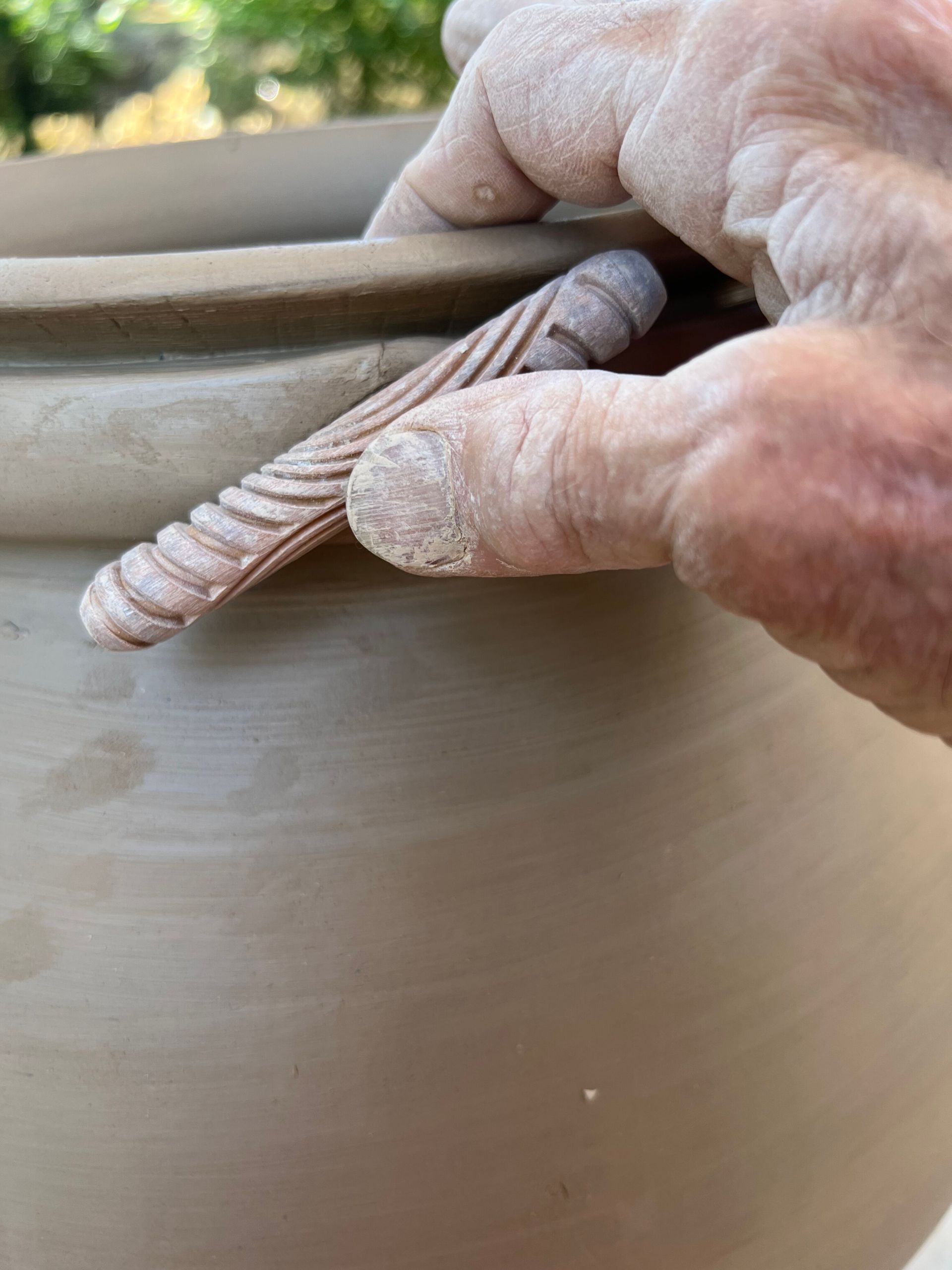
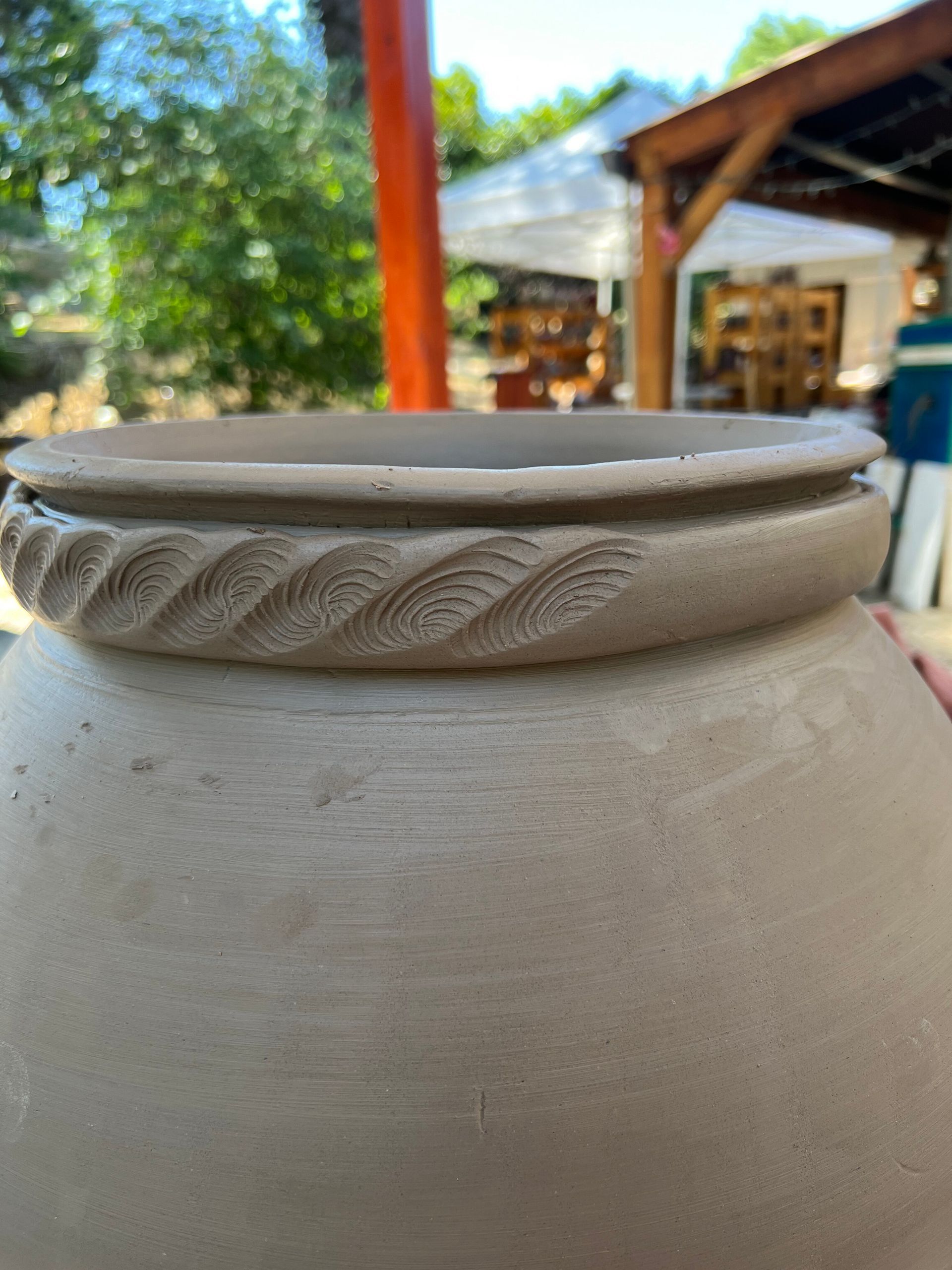
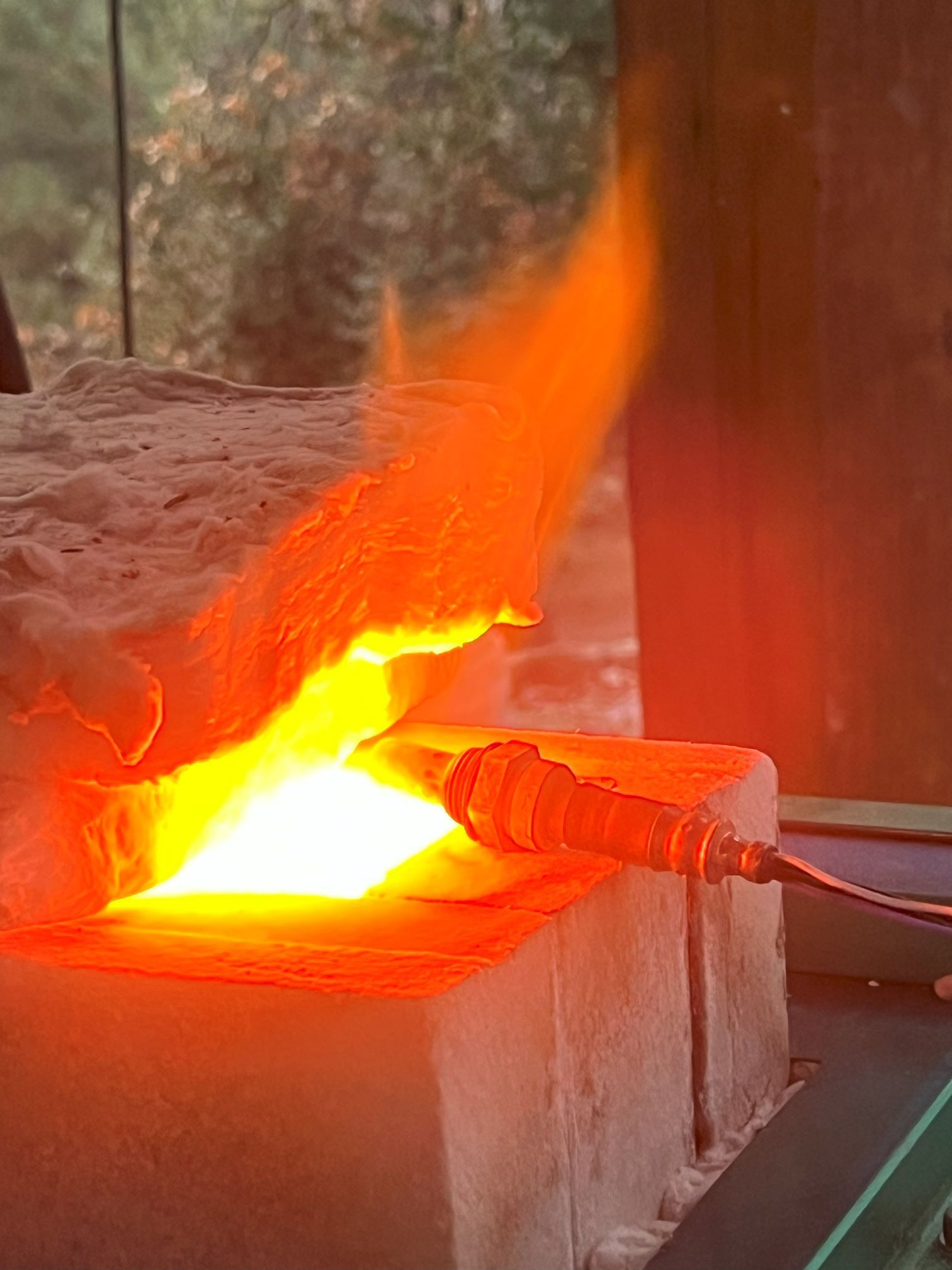
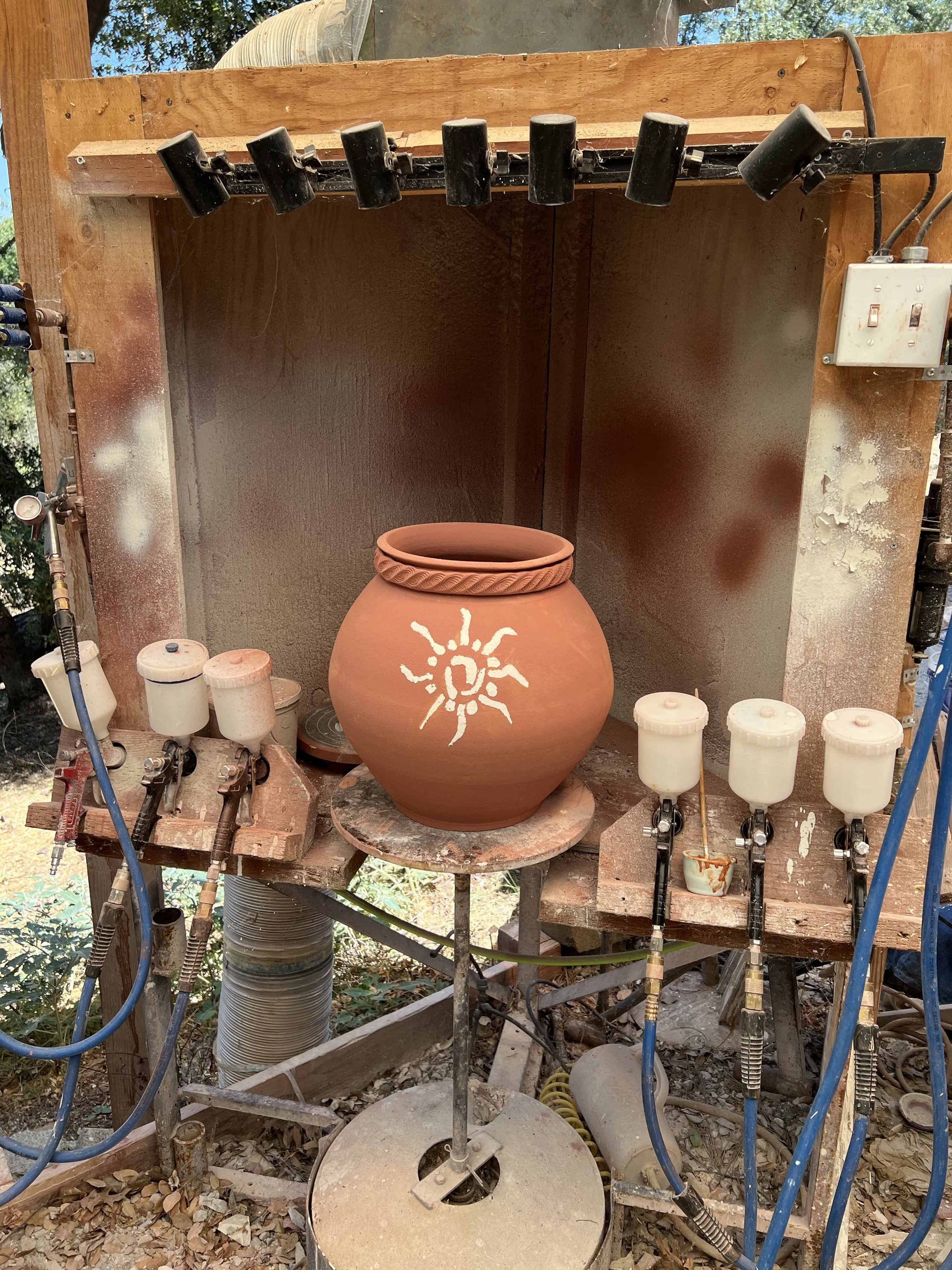
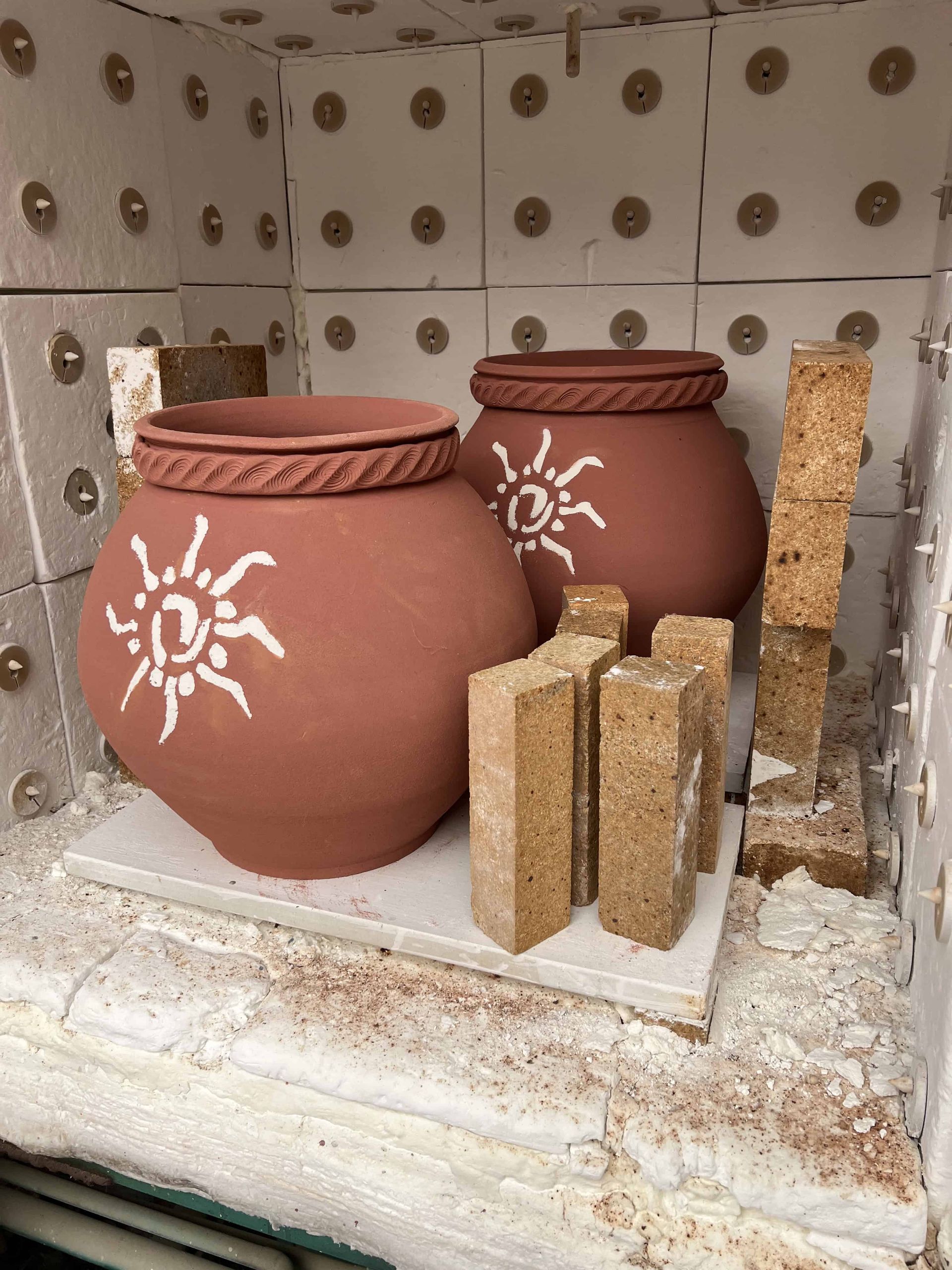
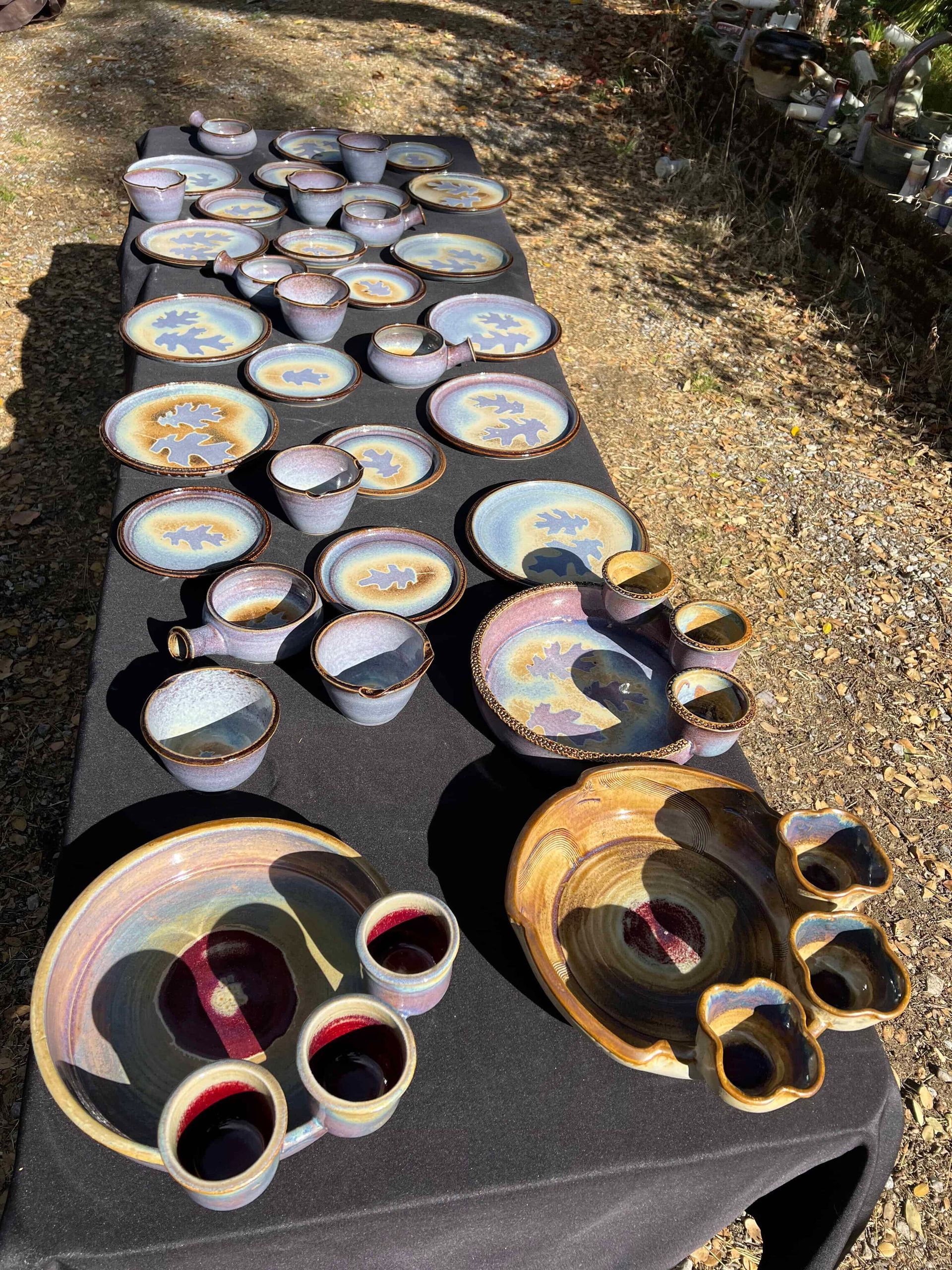
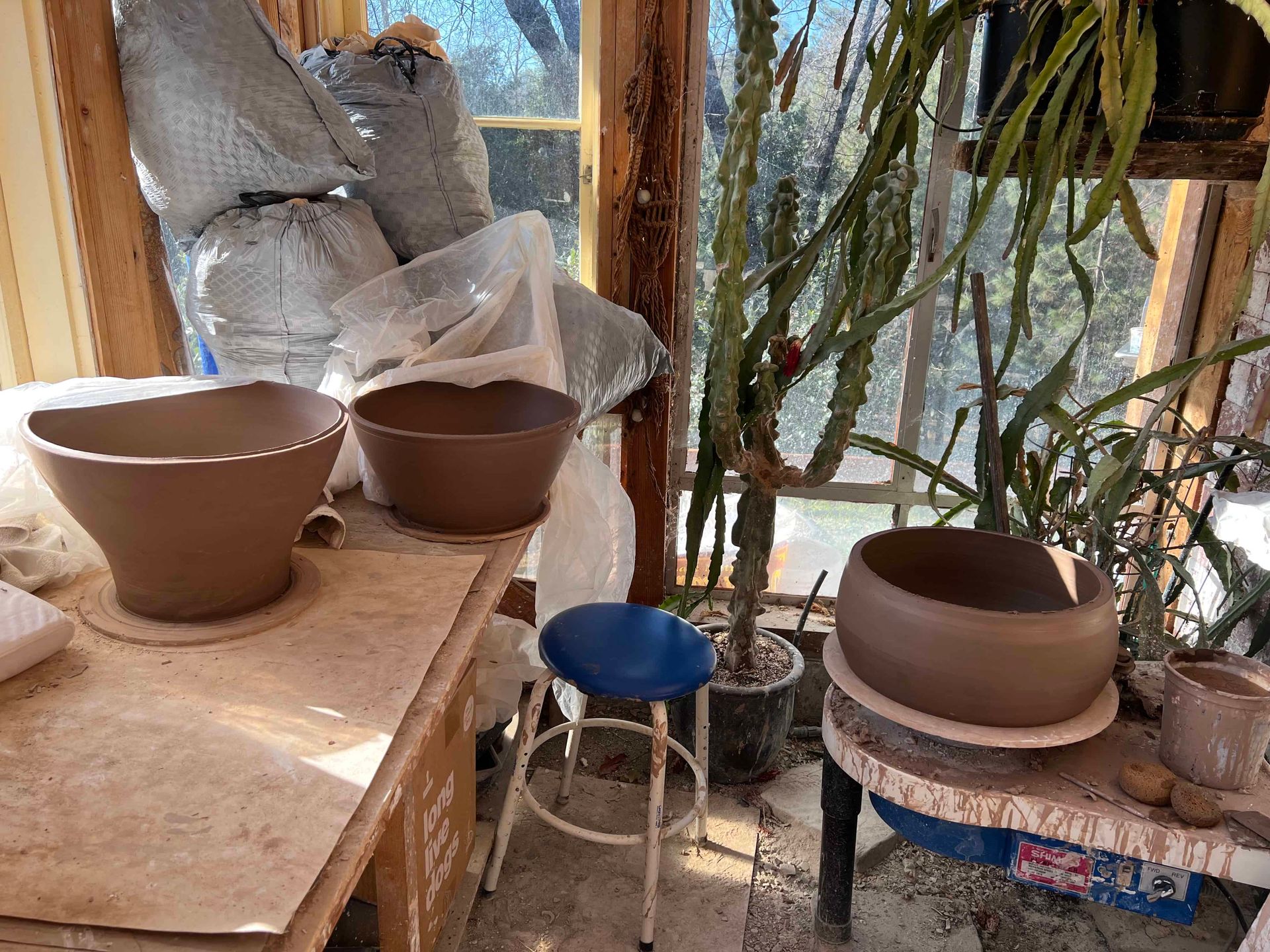
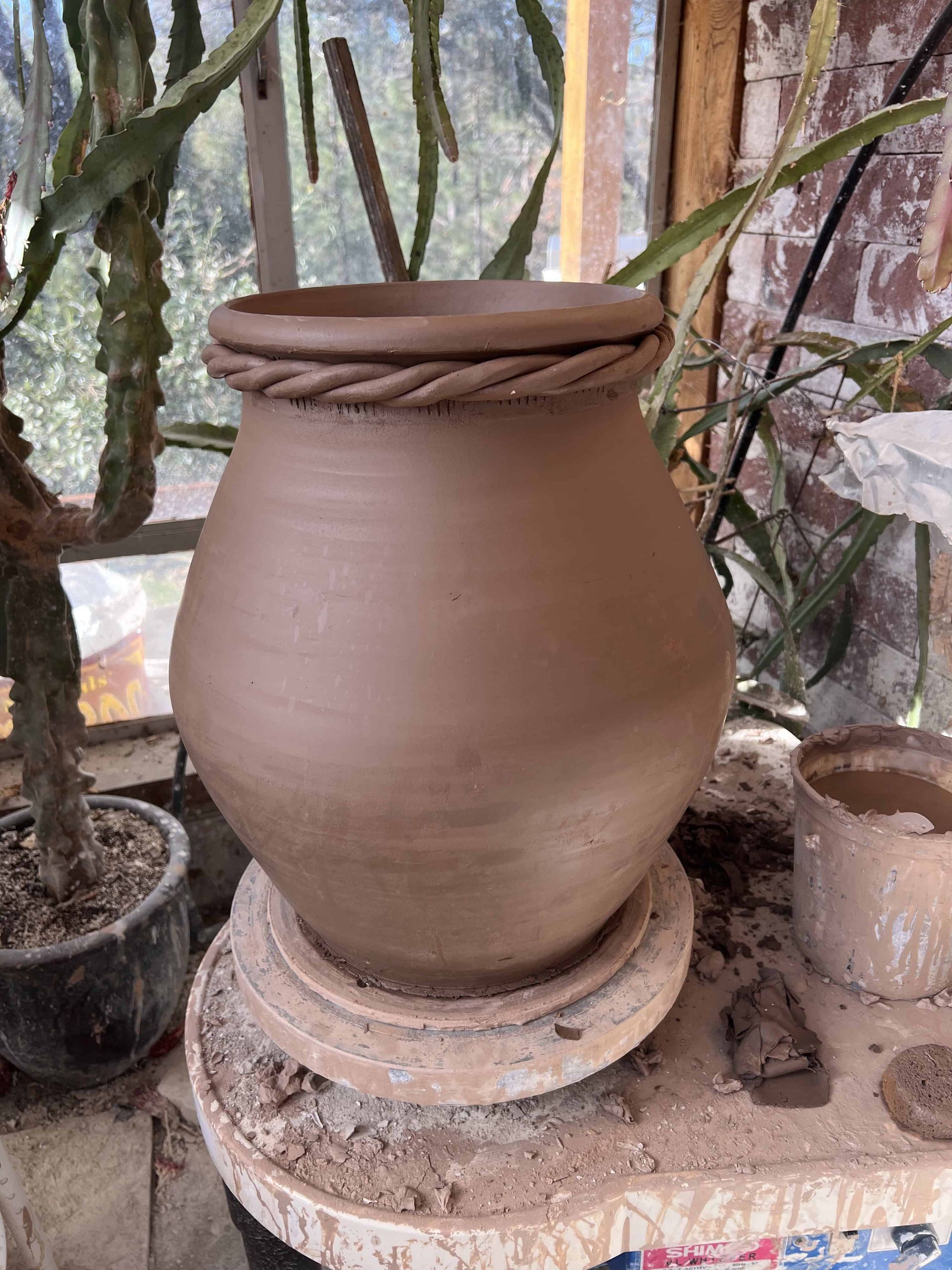
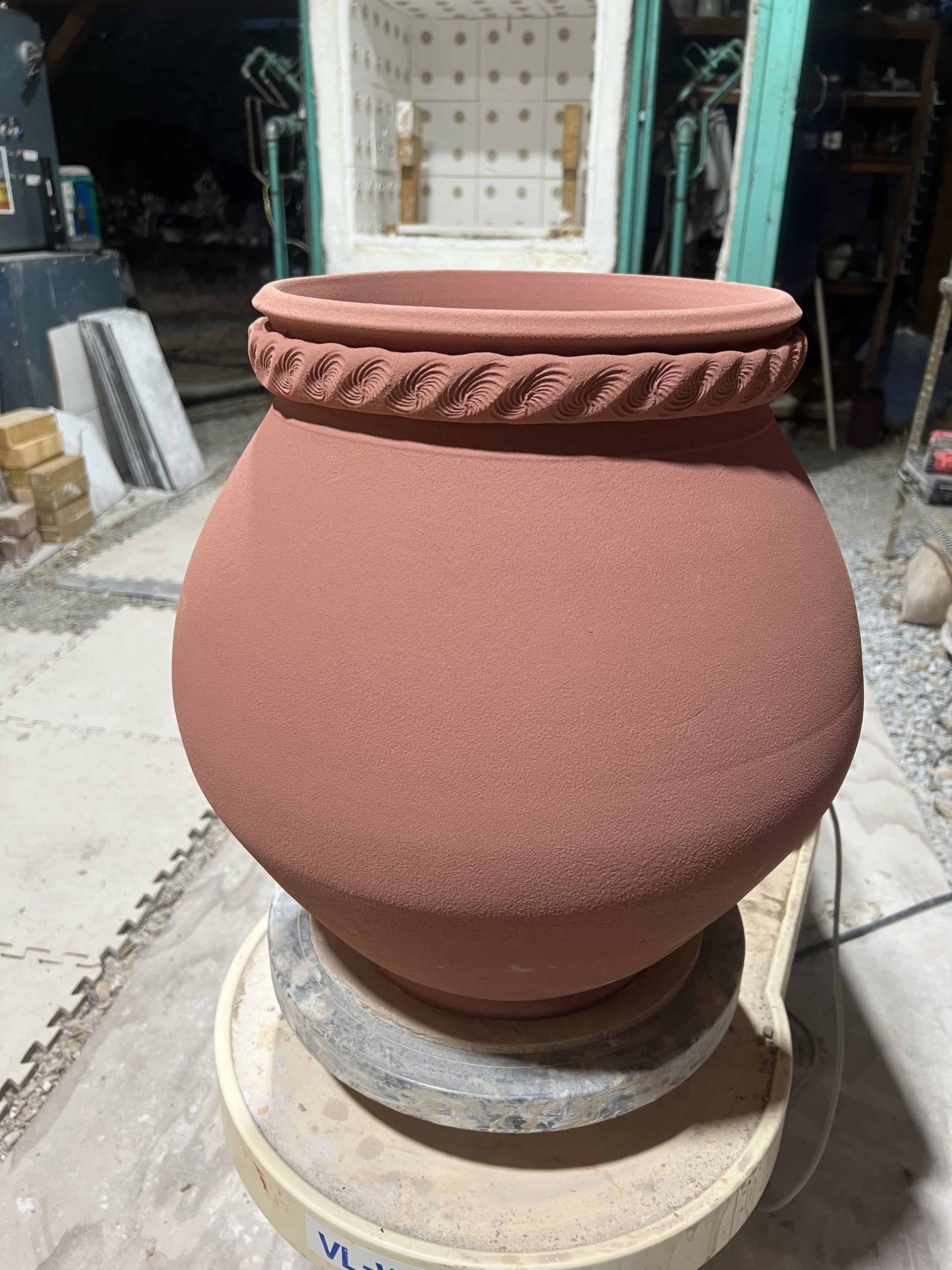
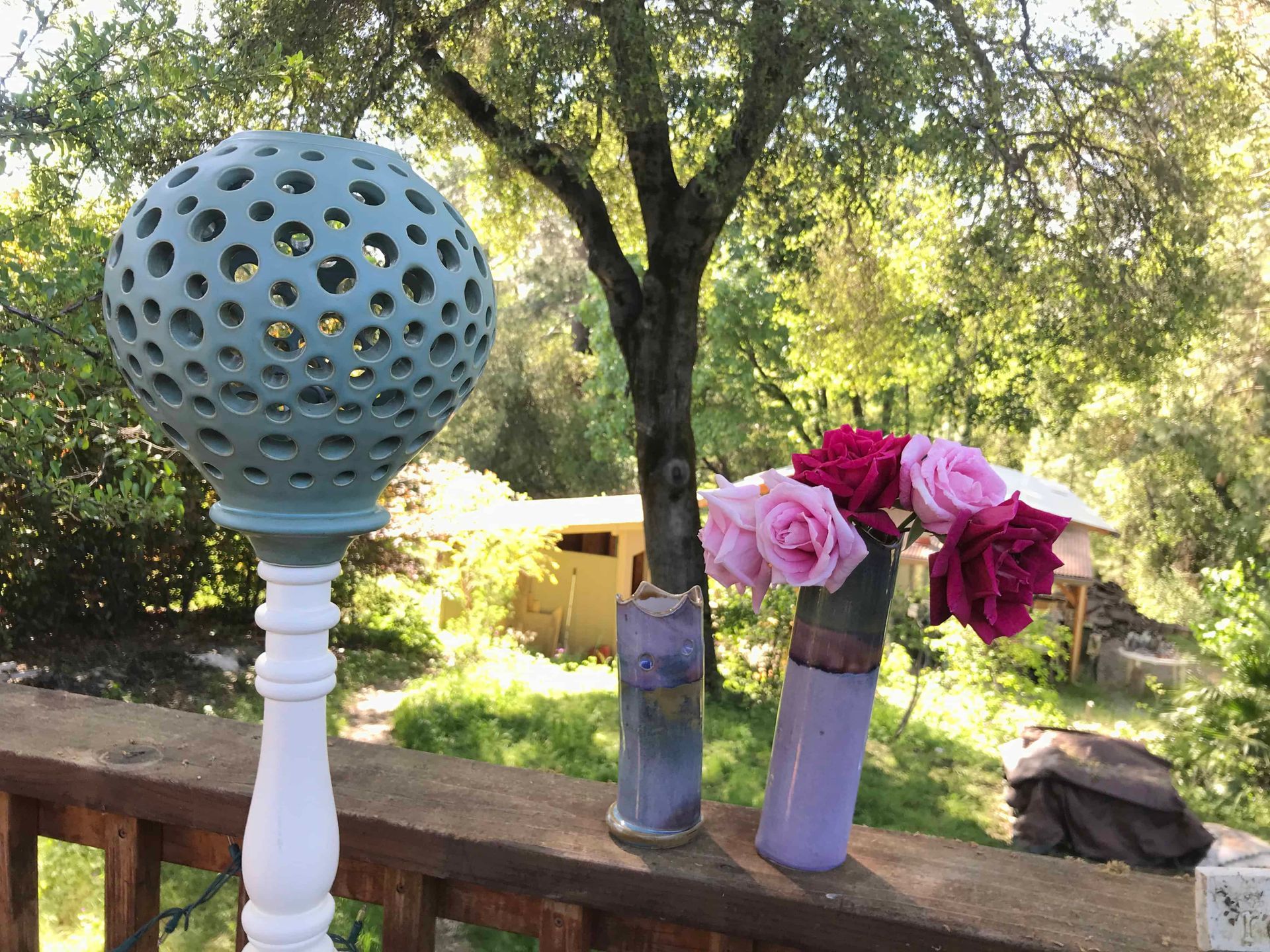
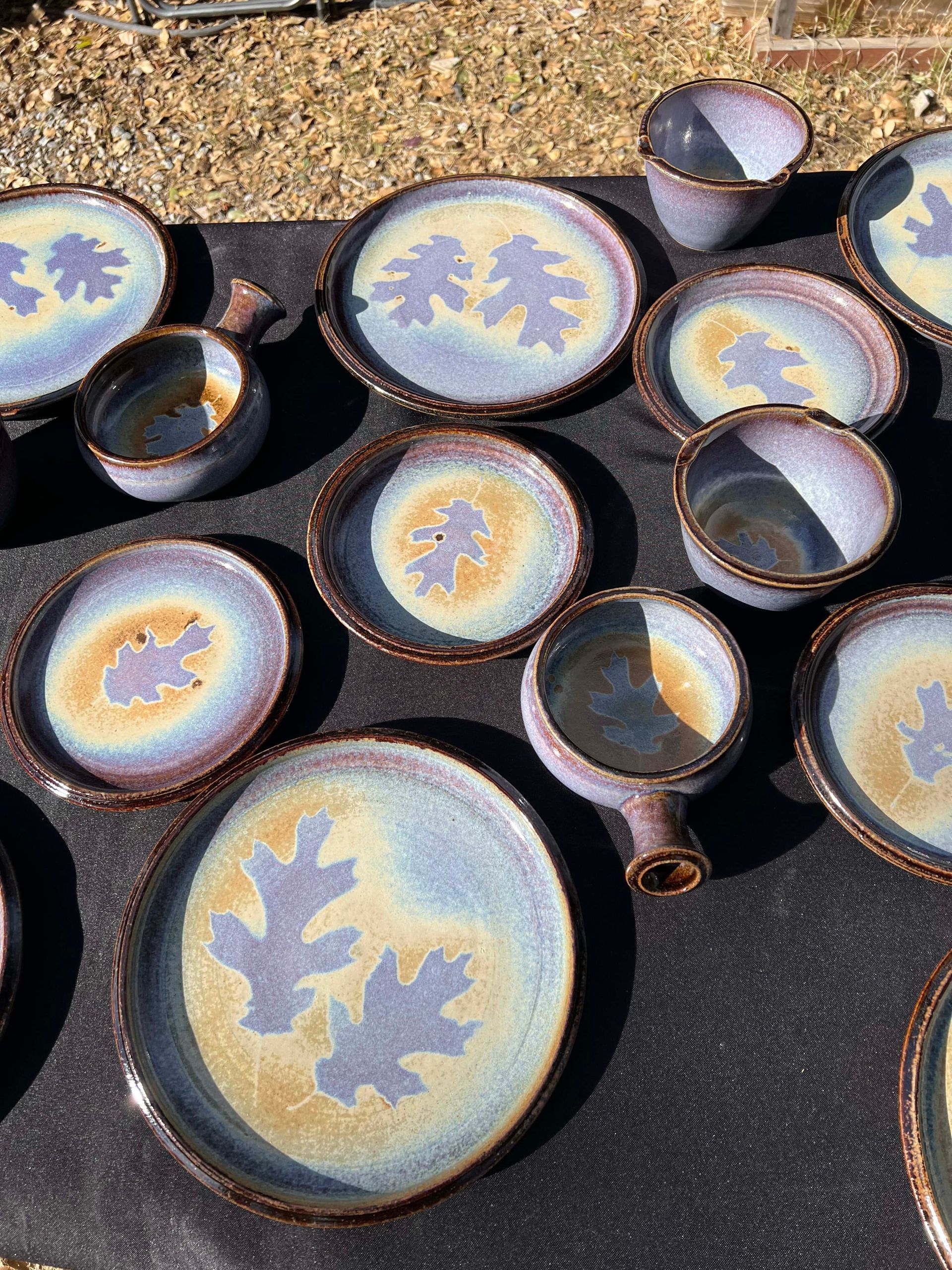
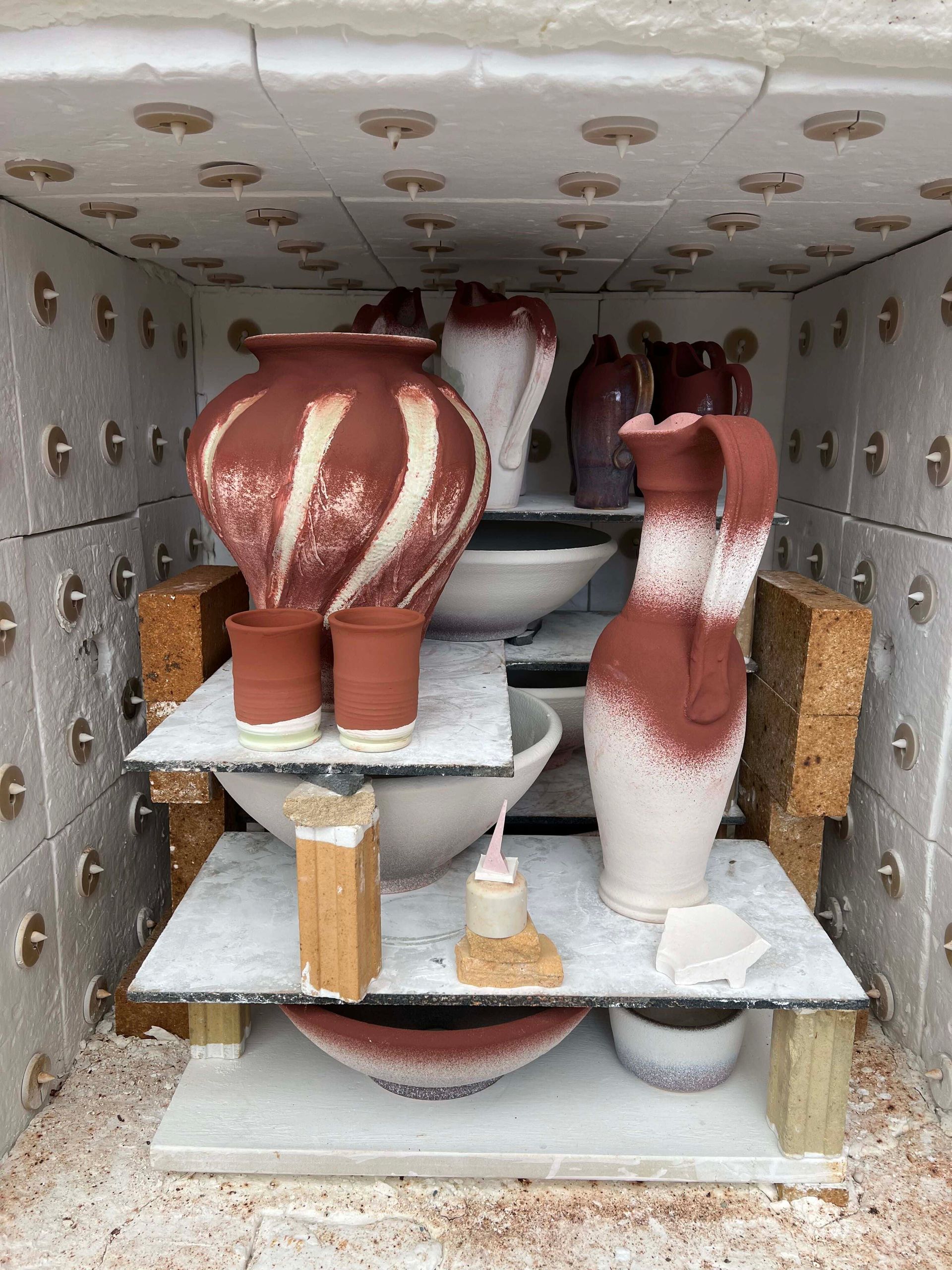
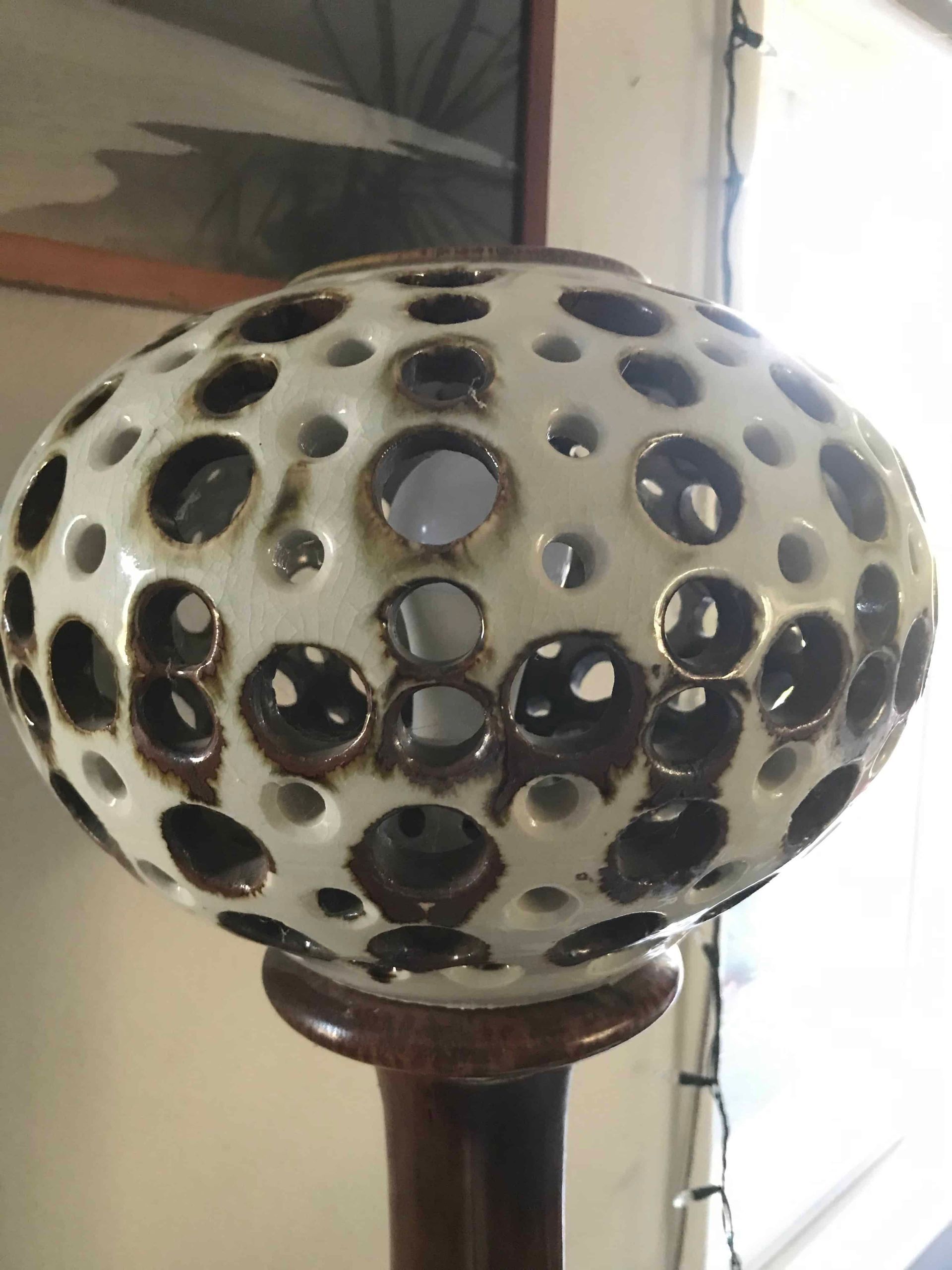
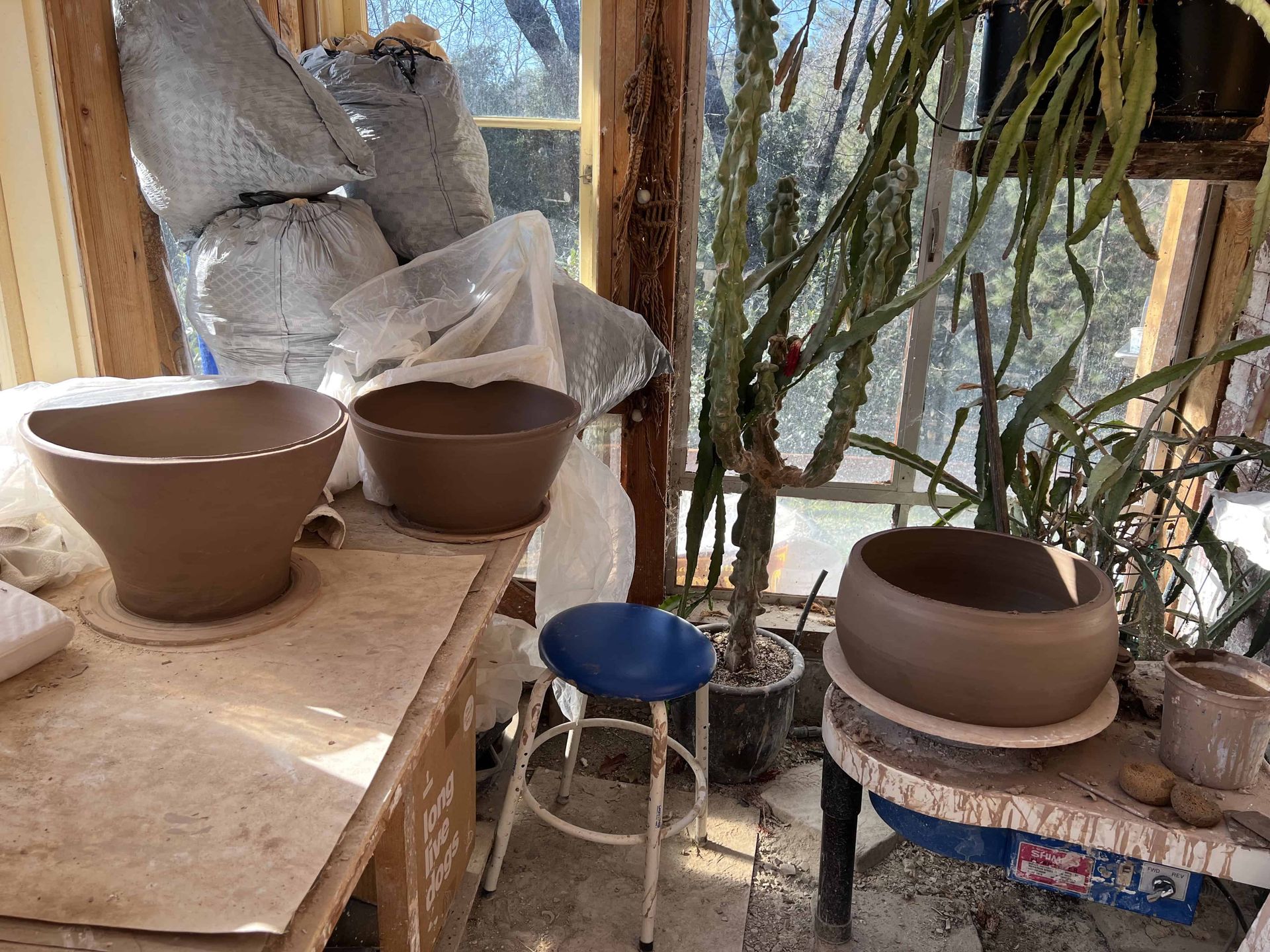
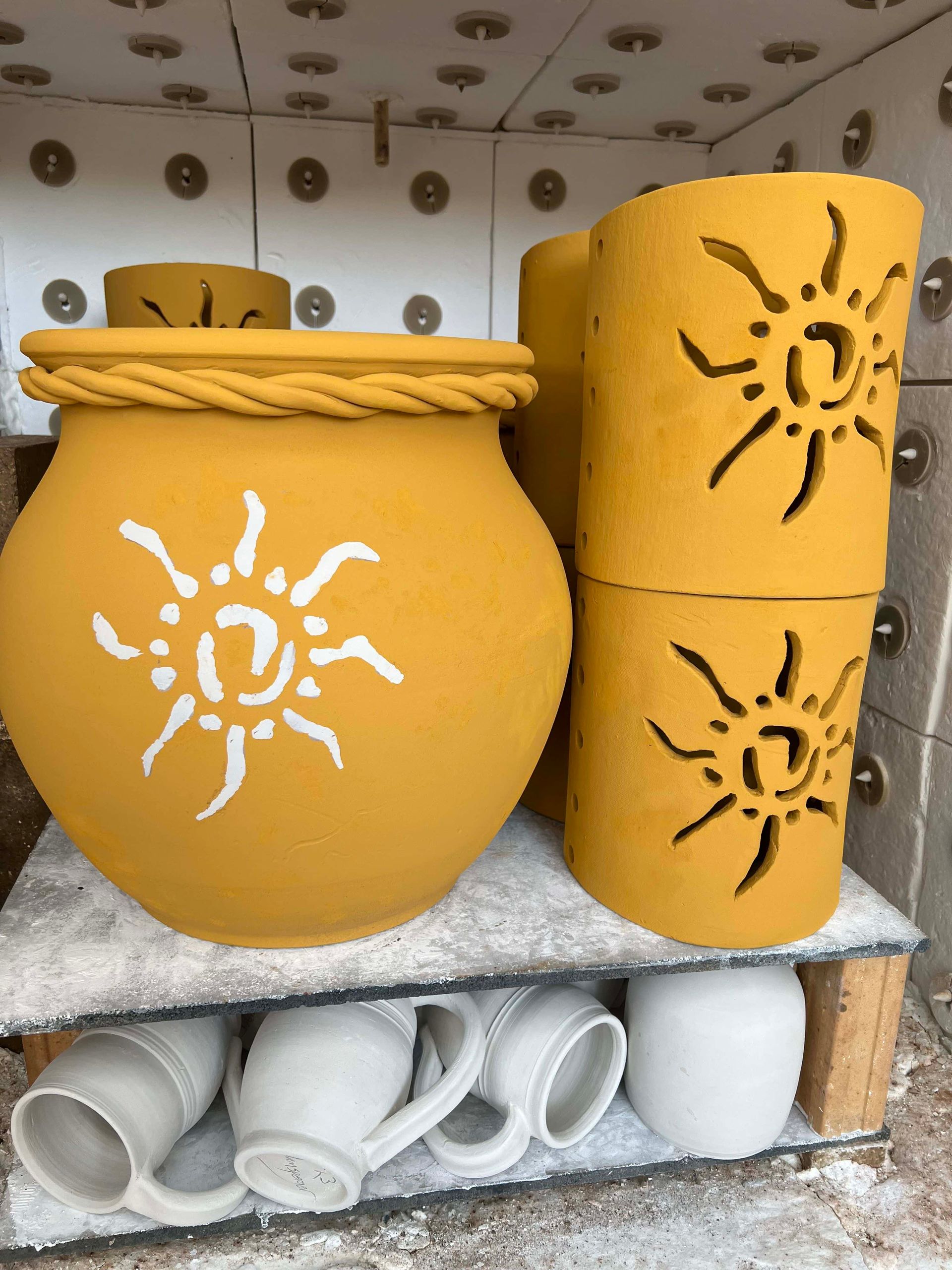
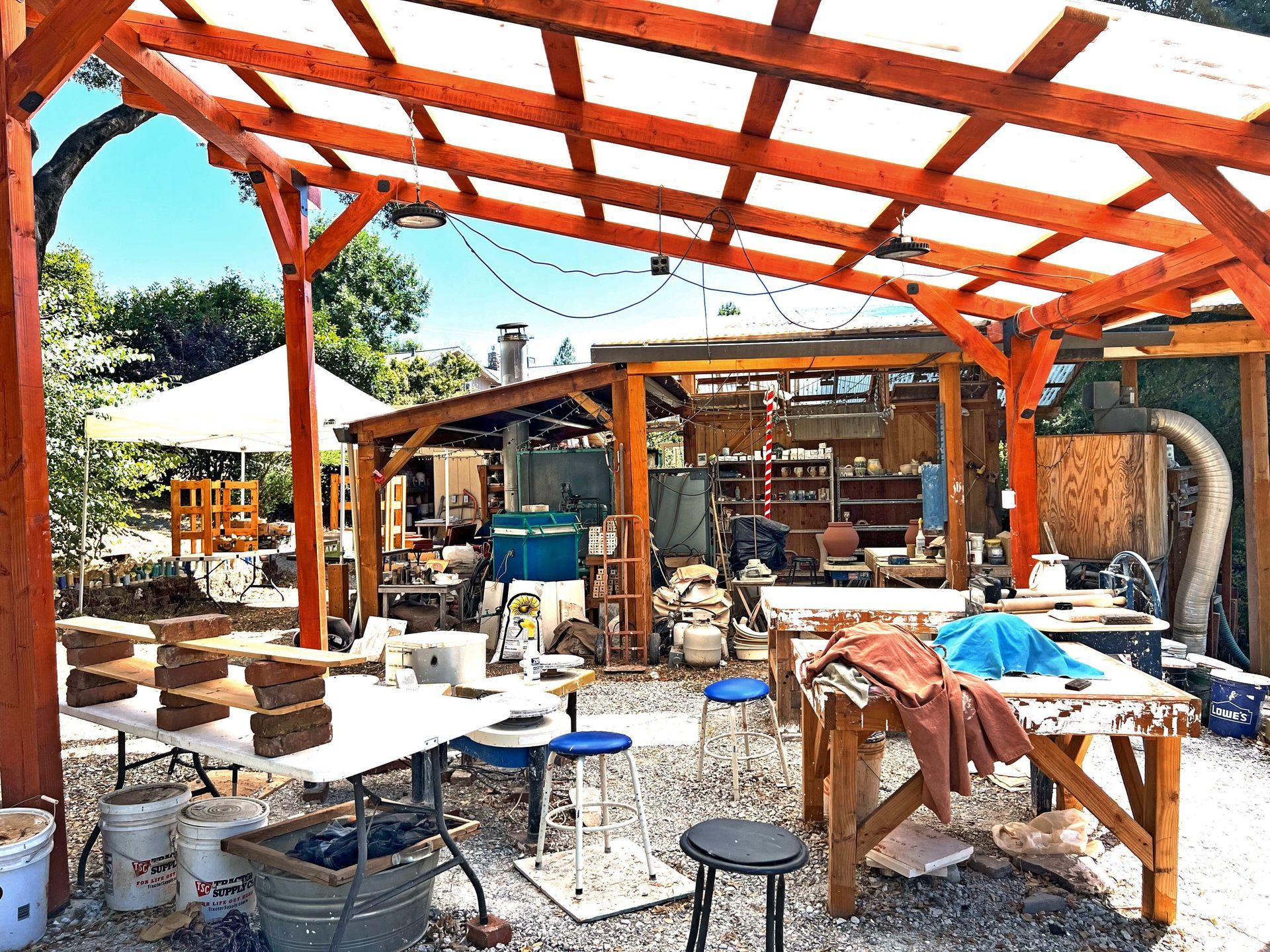

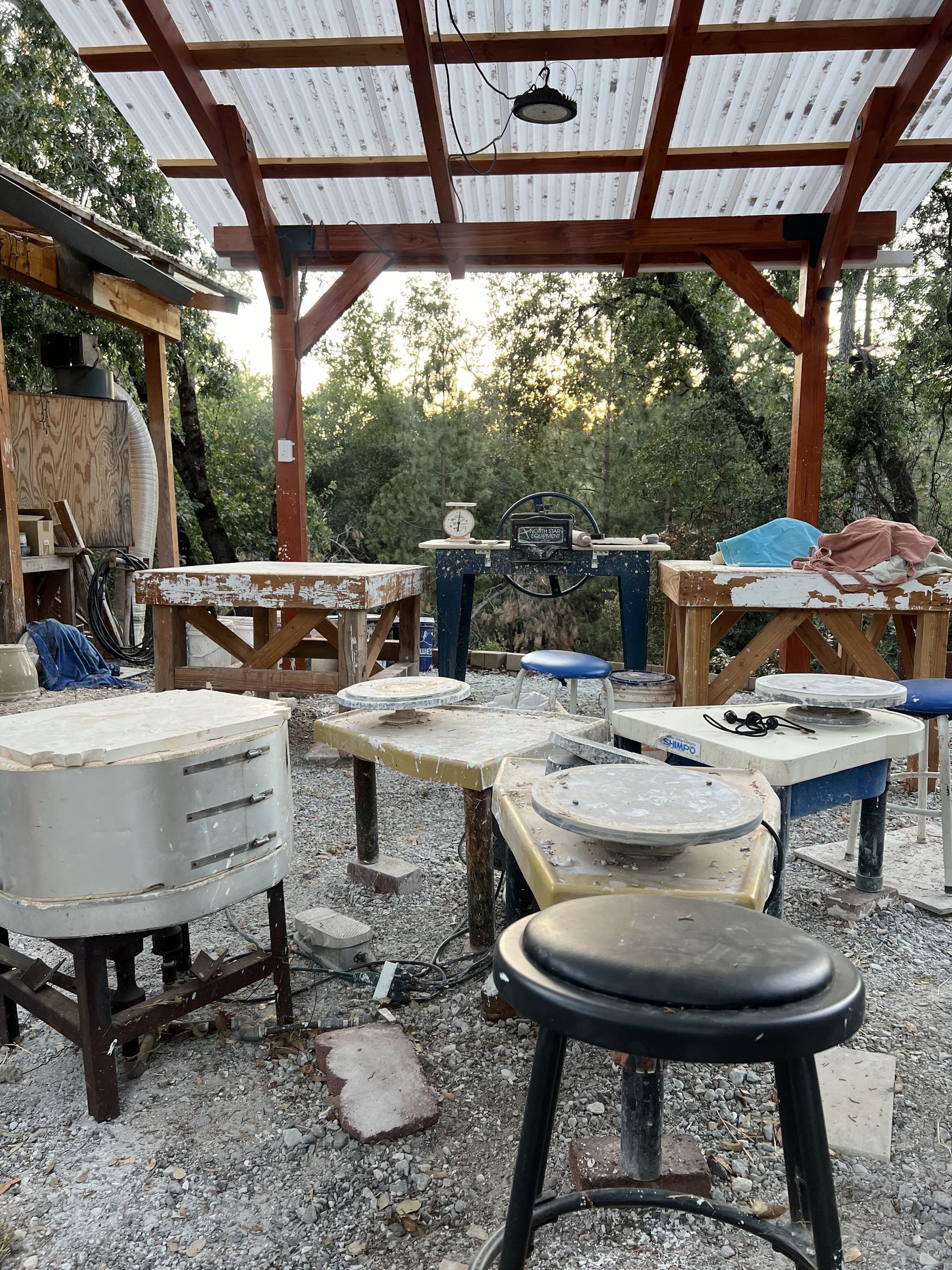
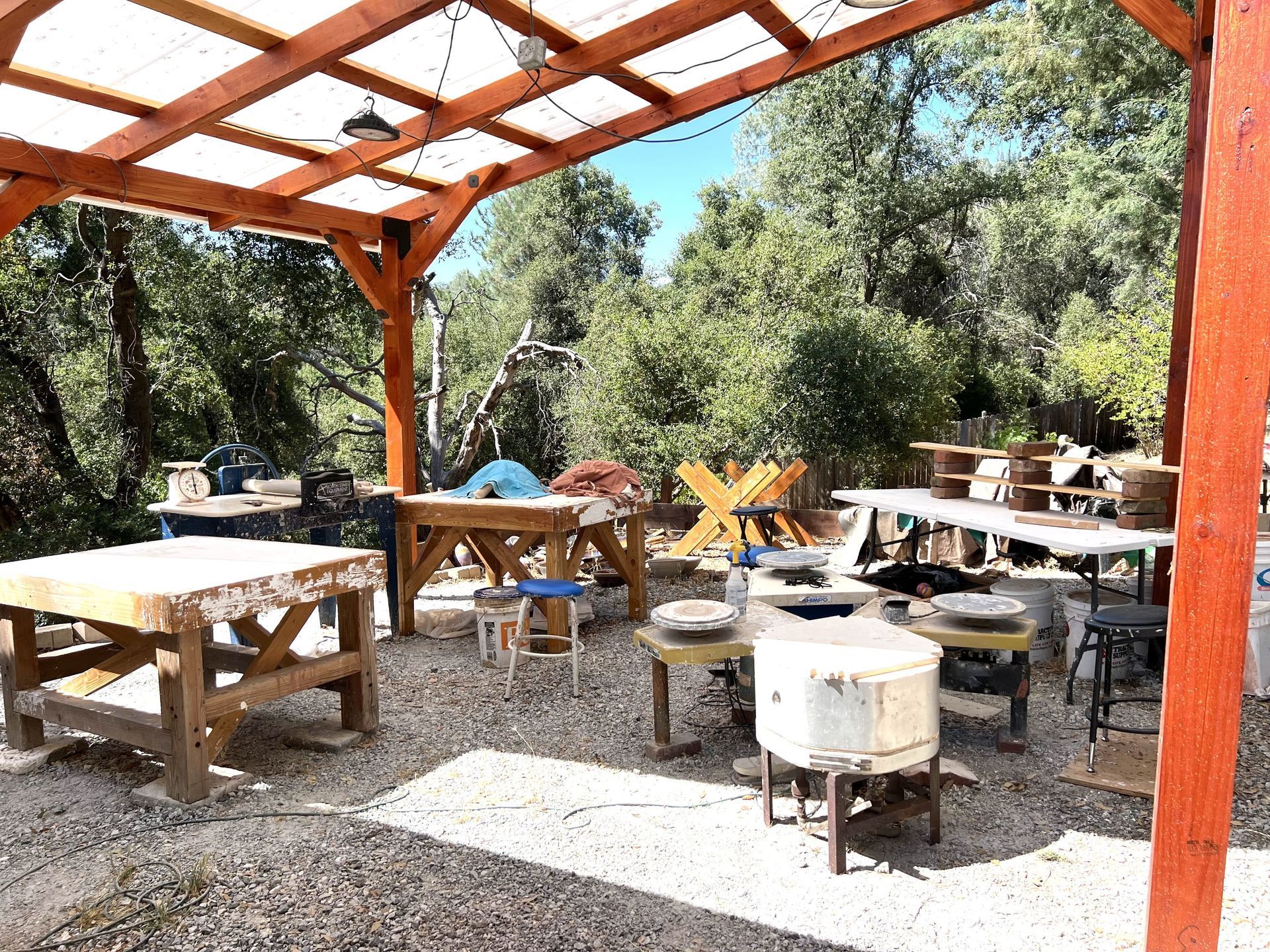
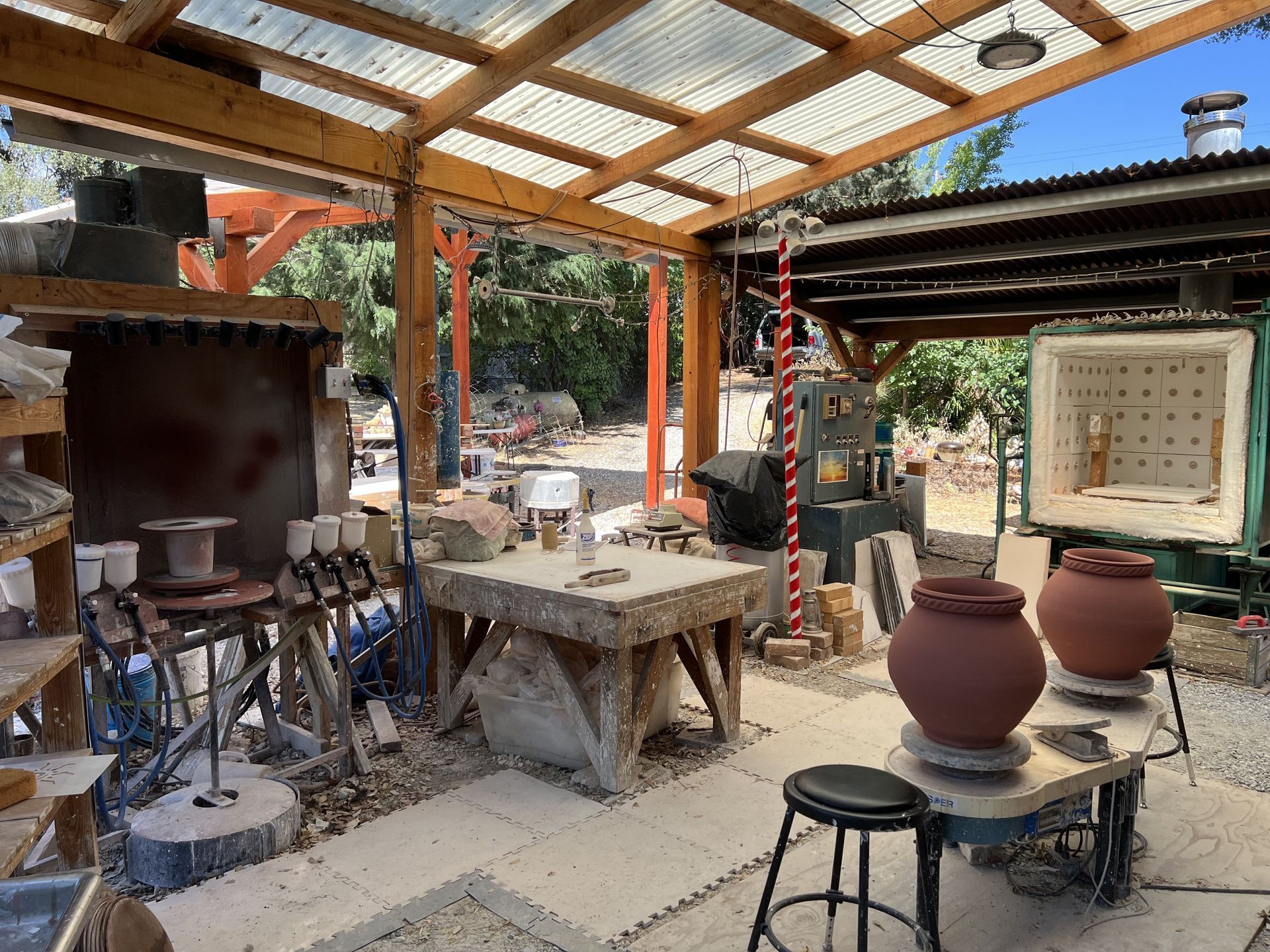
Commission Work and Available Products
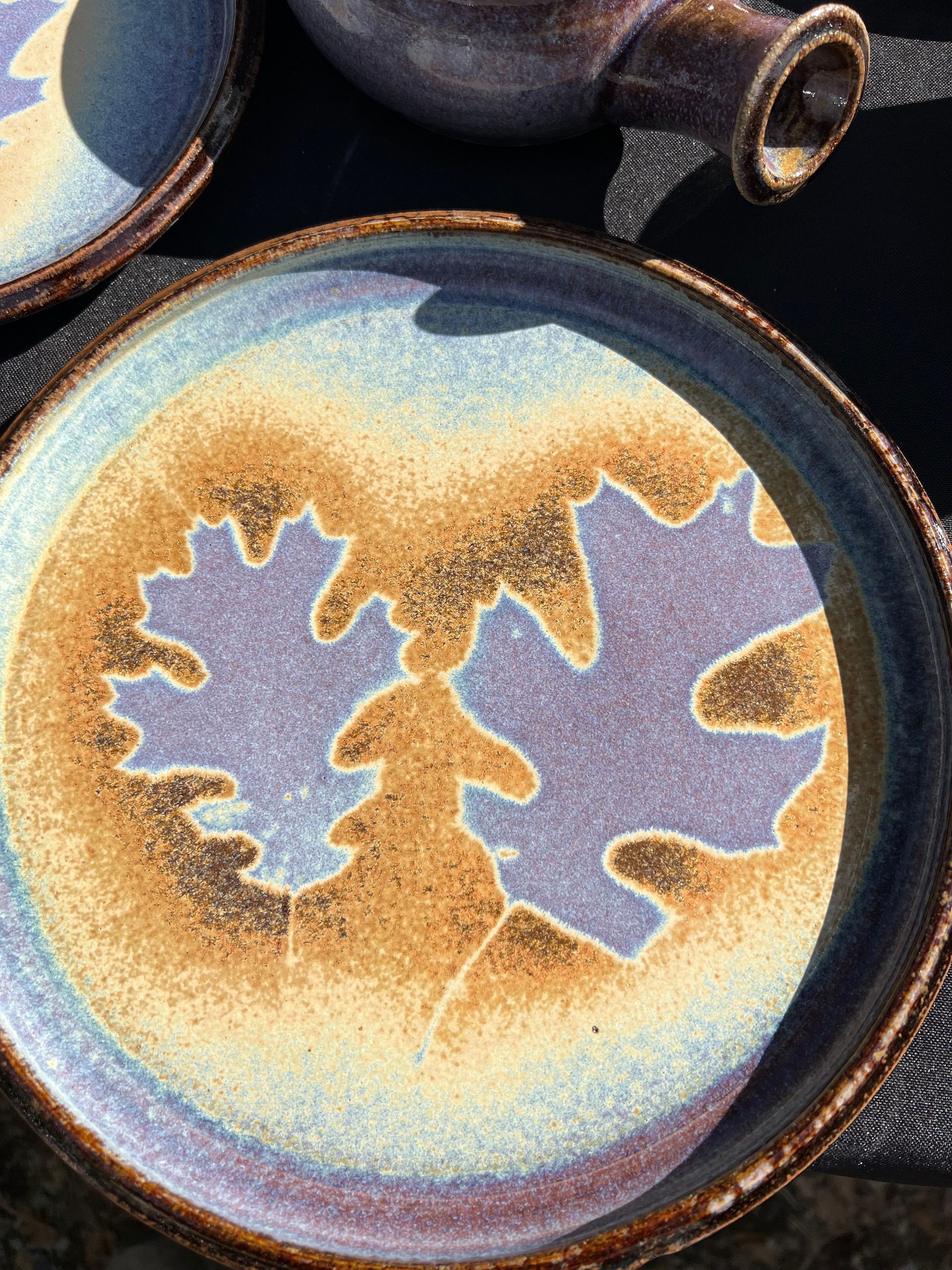
Commission work will be available in between workshop, lesson, studio, and event schedules.
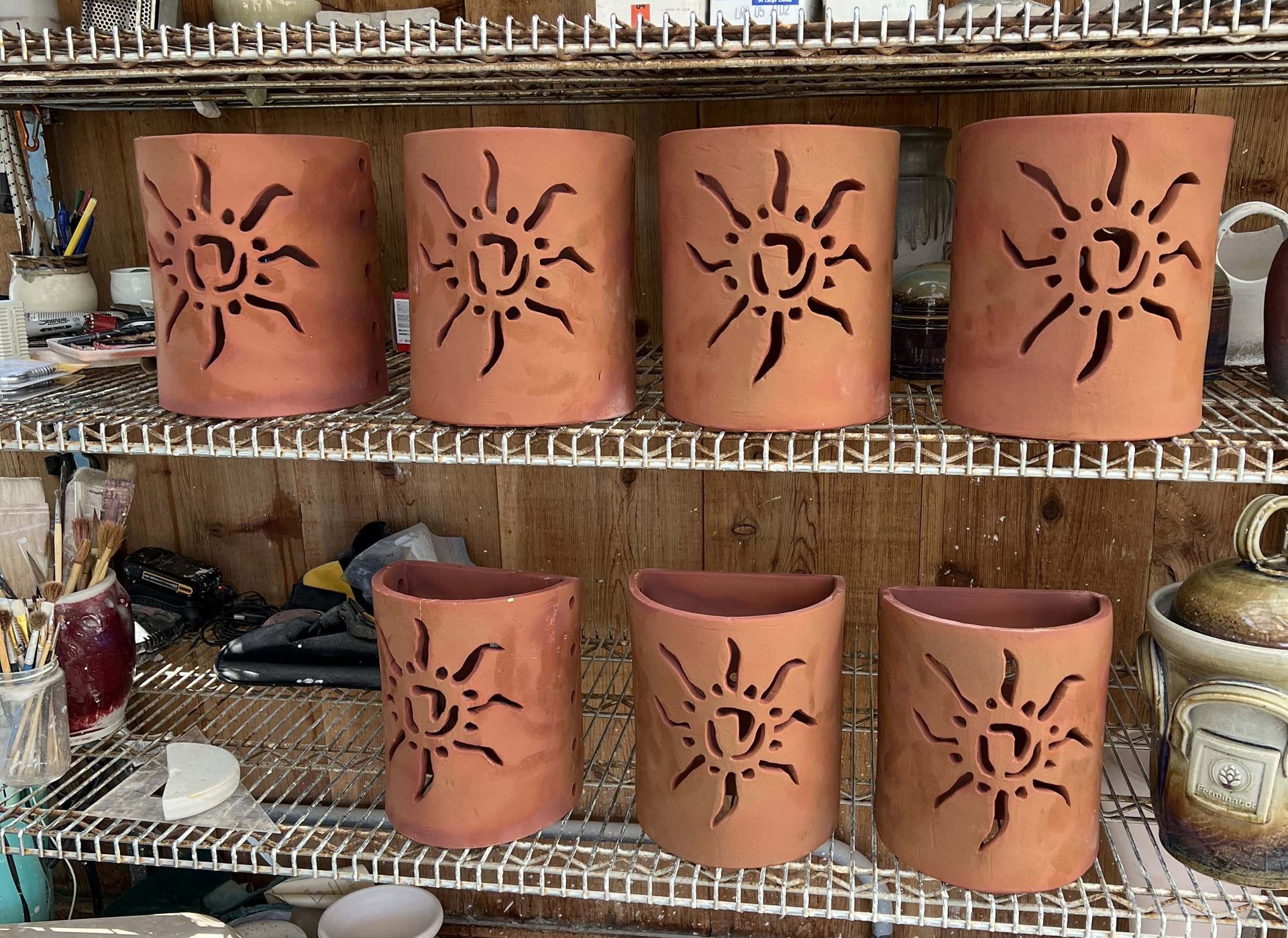
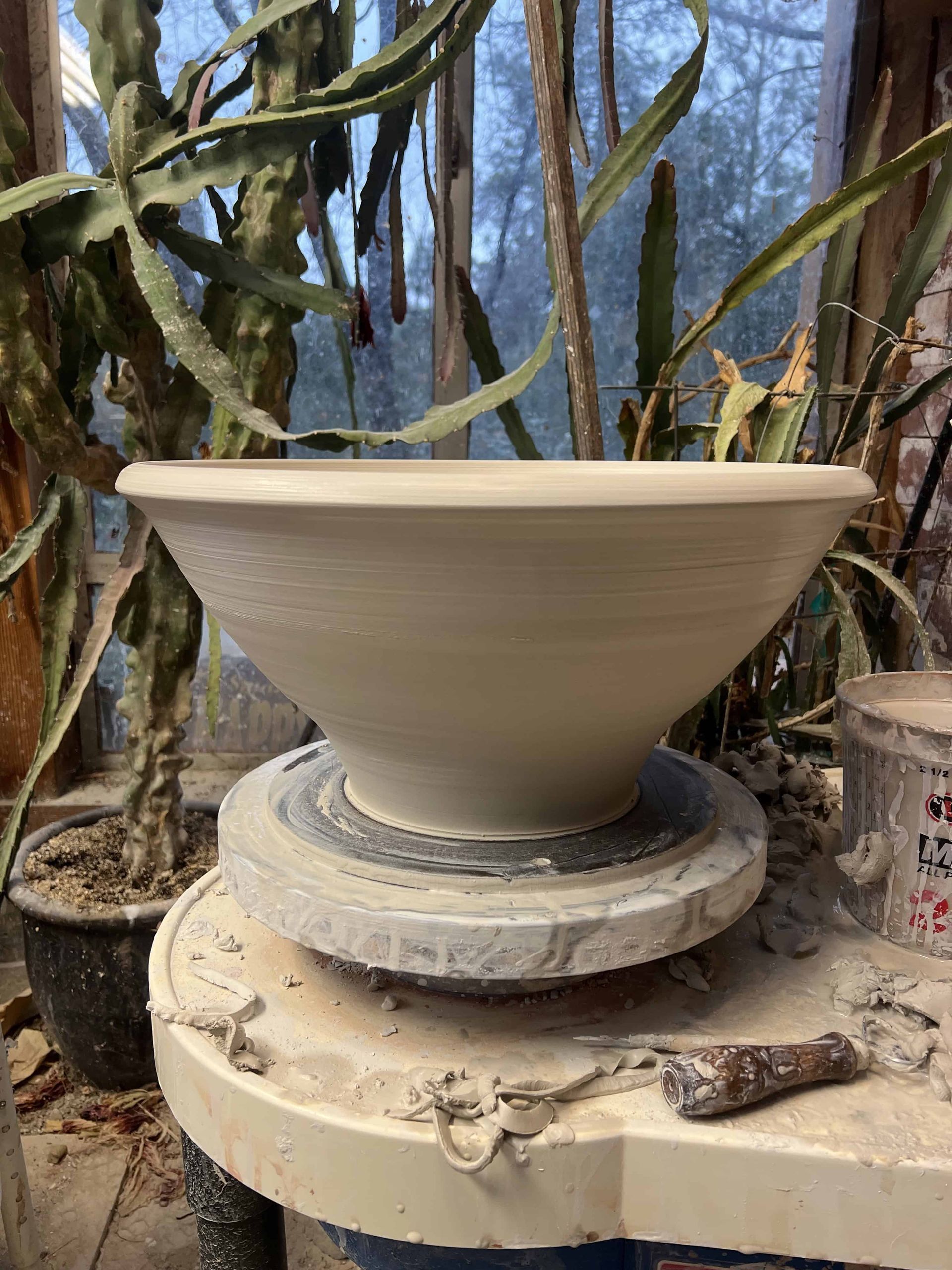
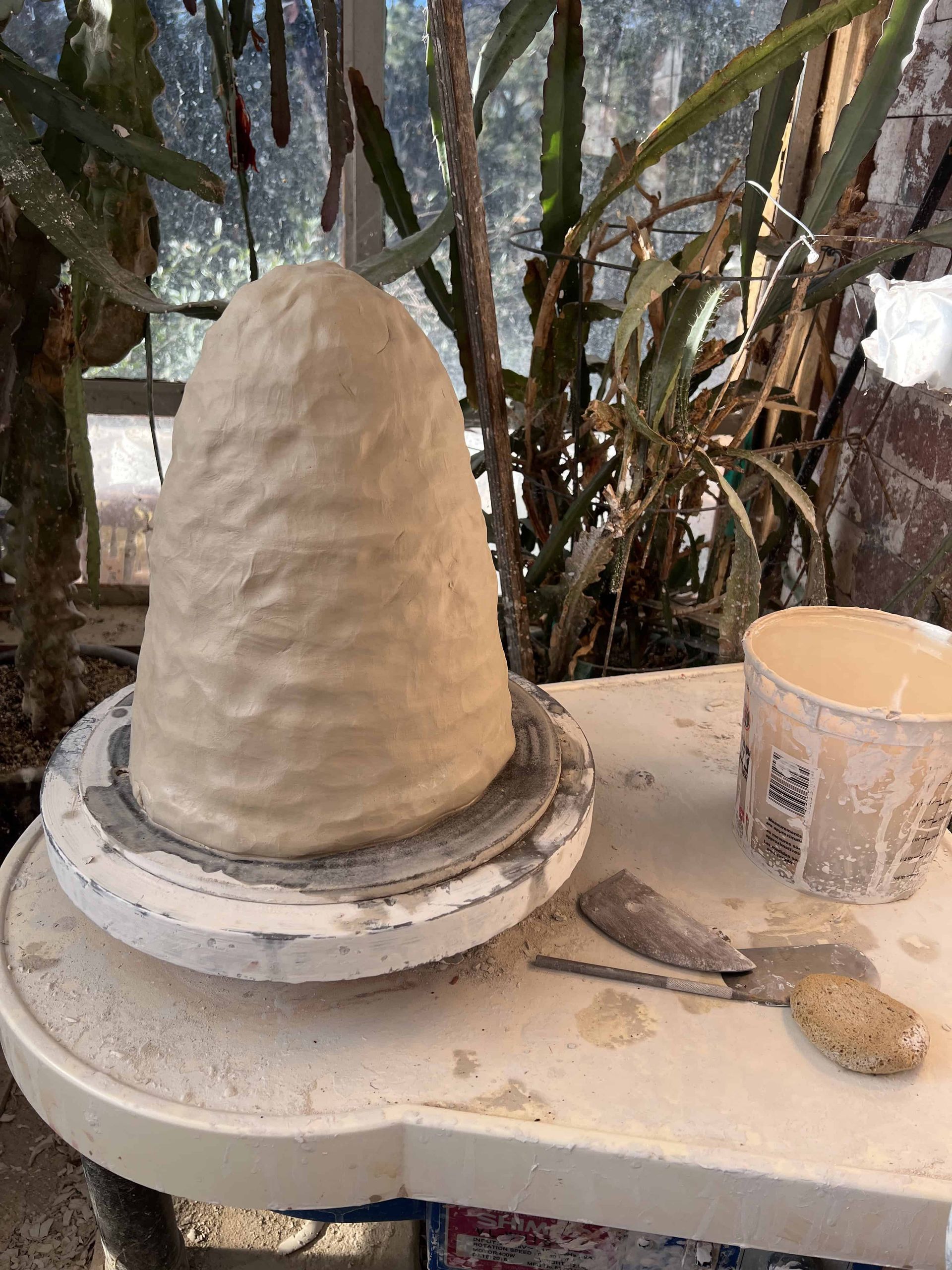
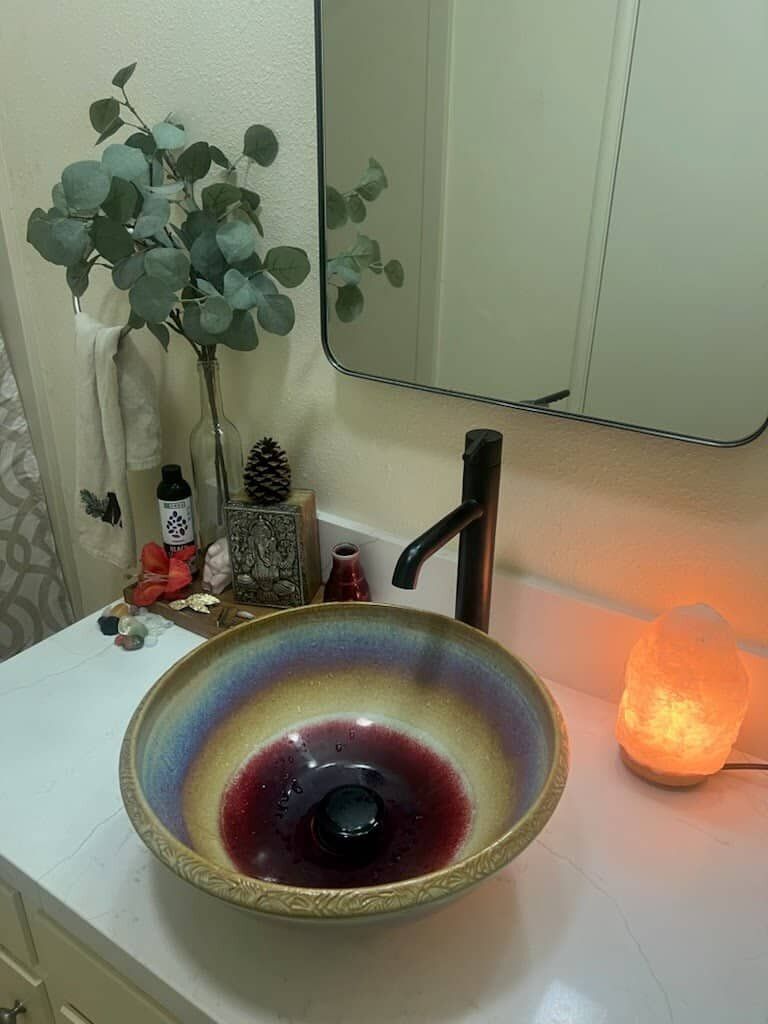
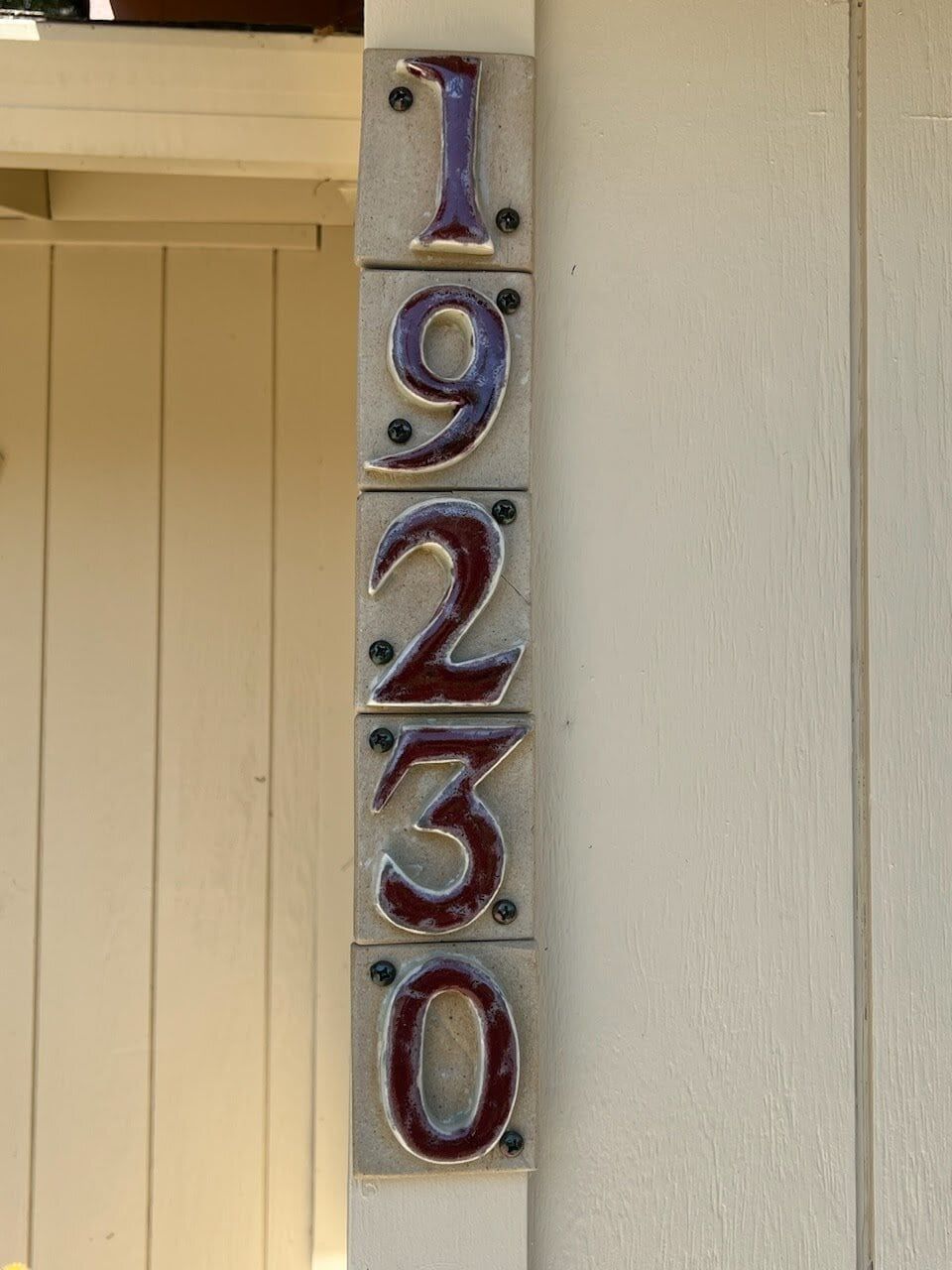
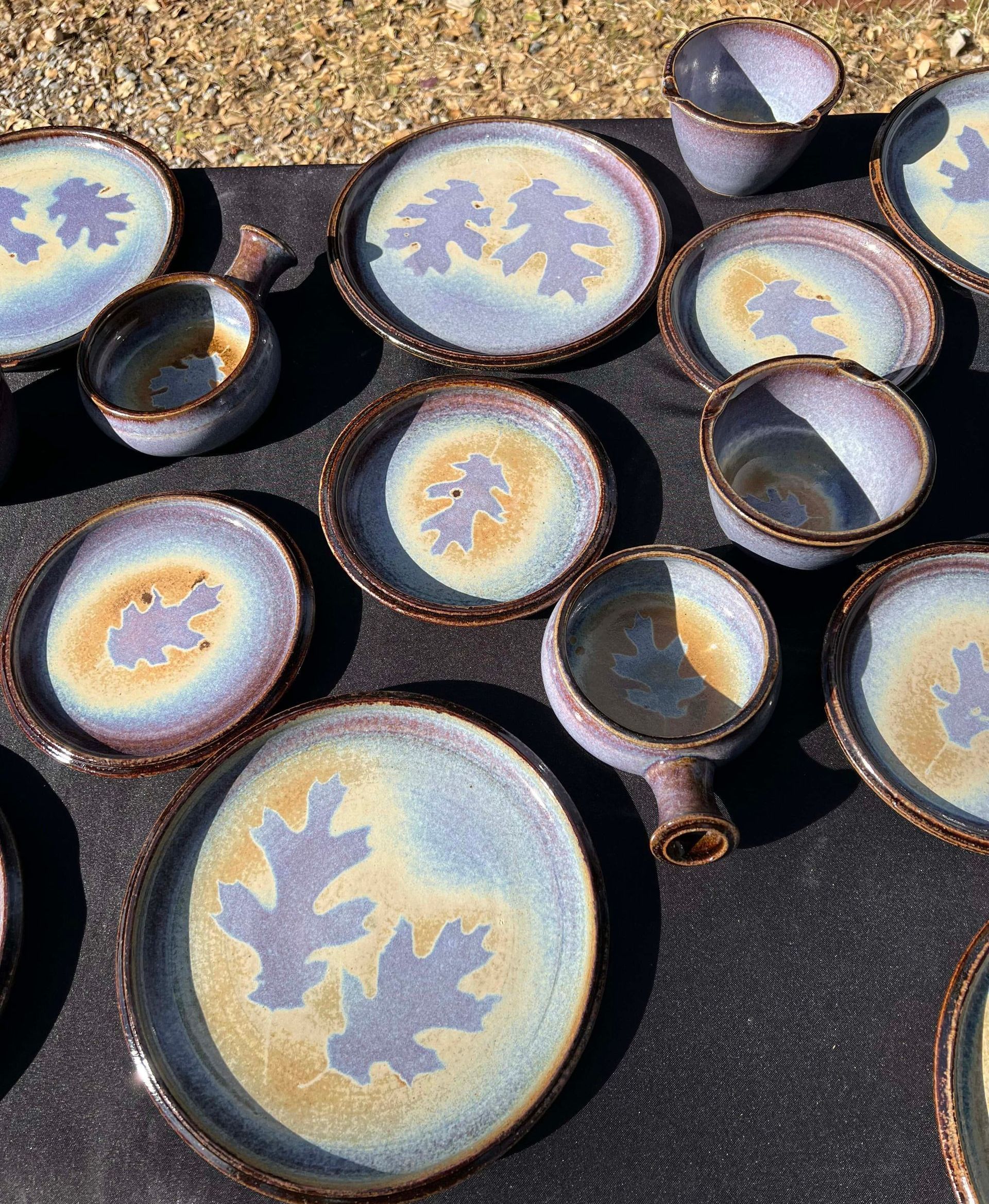
I can take commissions for just about anything; Dinner sets, mugs, coffee pour-overs, plates, terracotta cookware, and even sinks, bird baths, and house address numbers.
Send me an email to inquire further about my commission work, and availability.
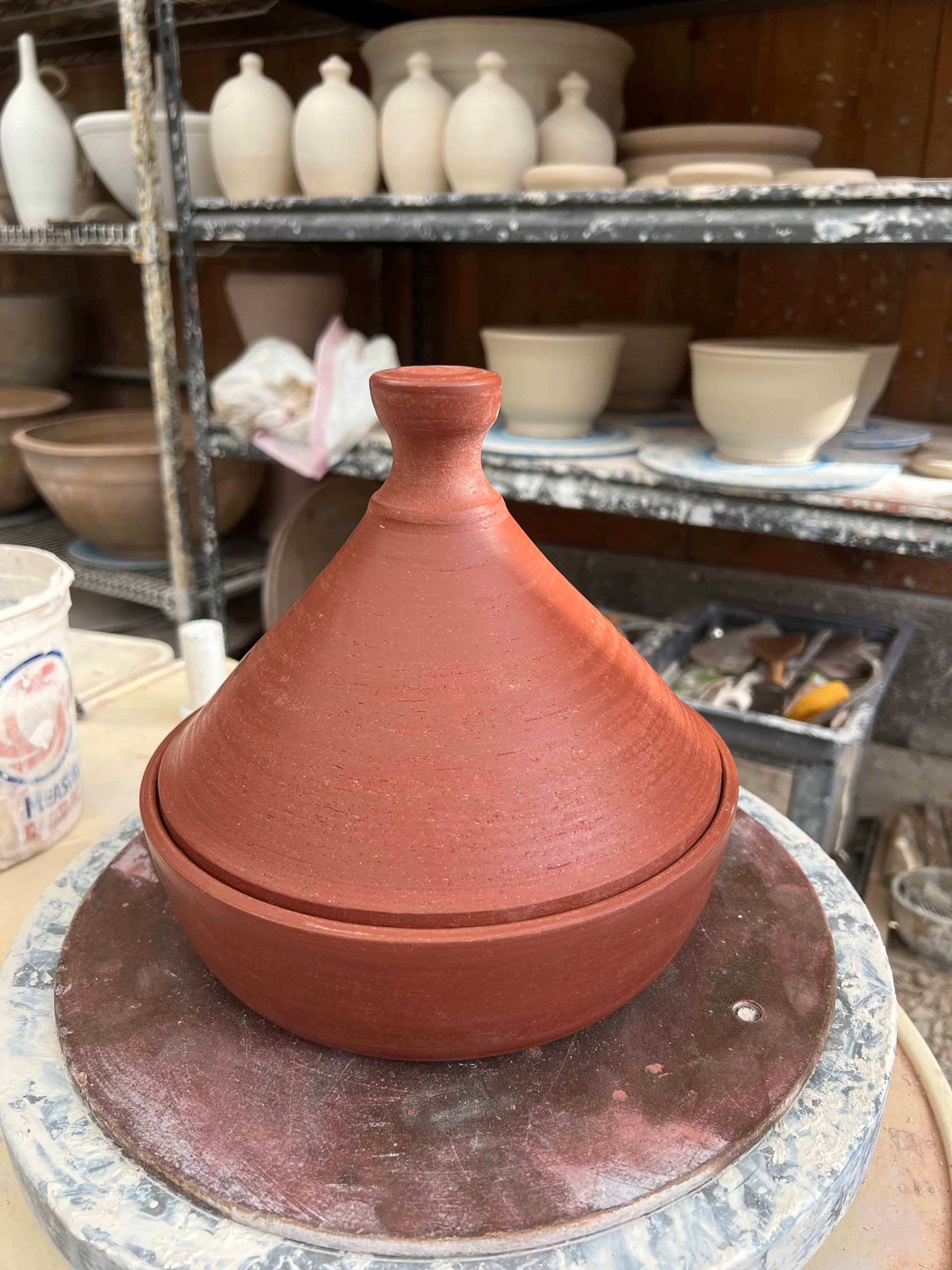
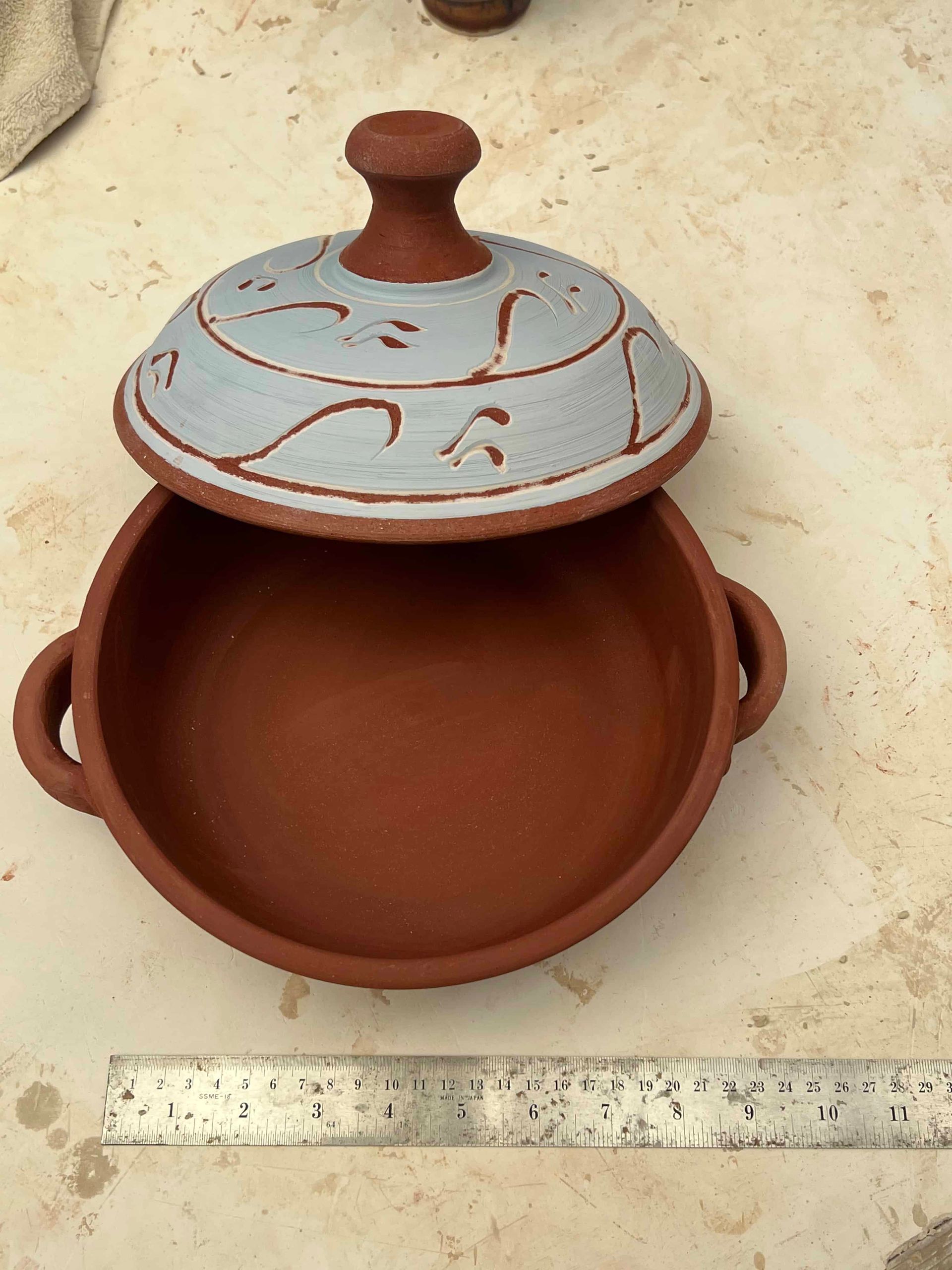
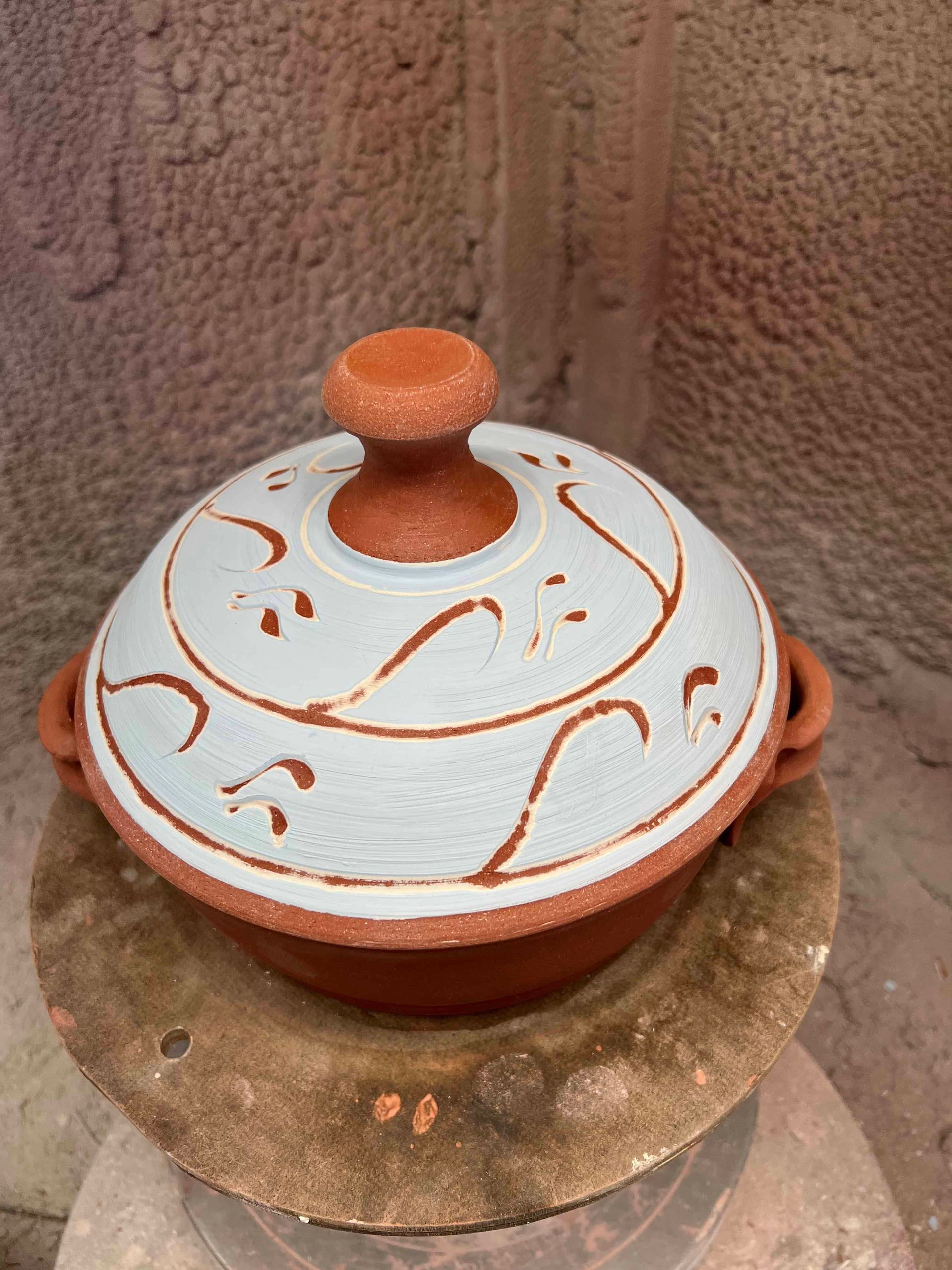
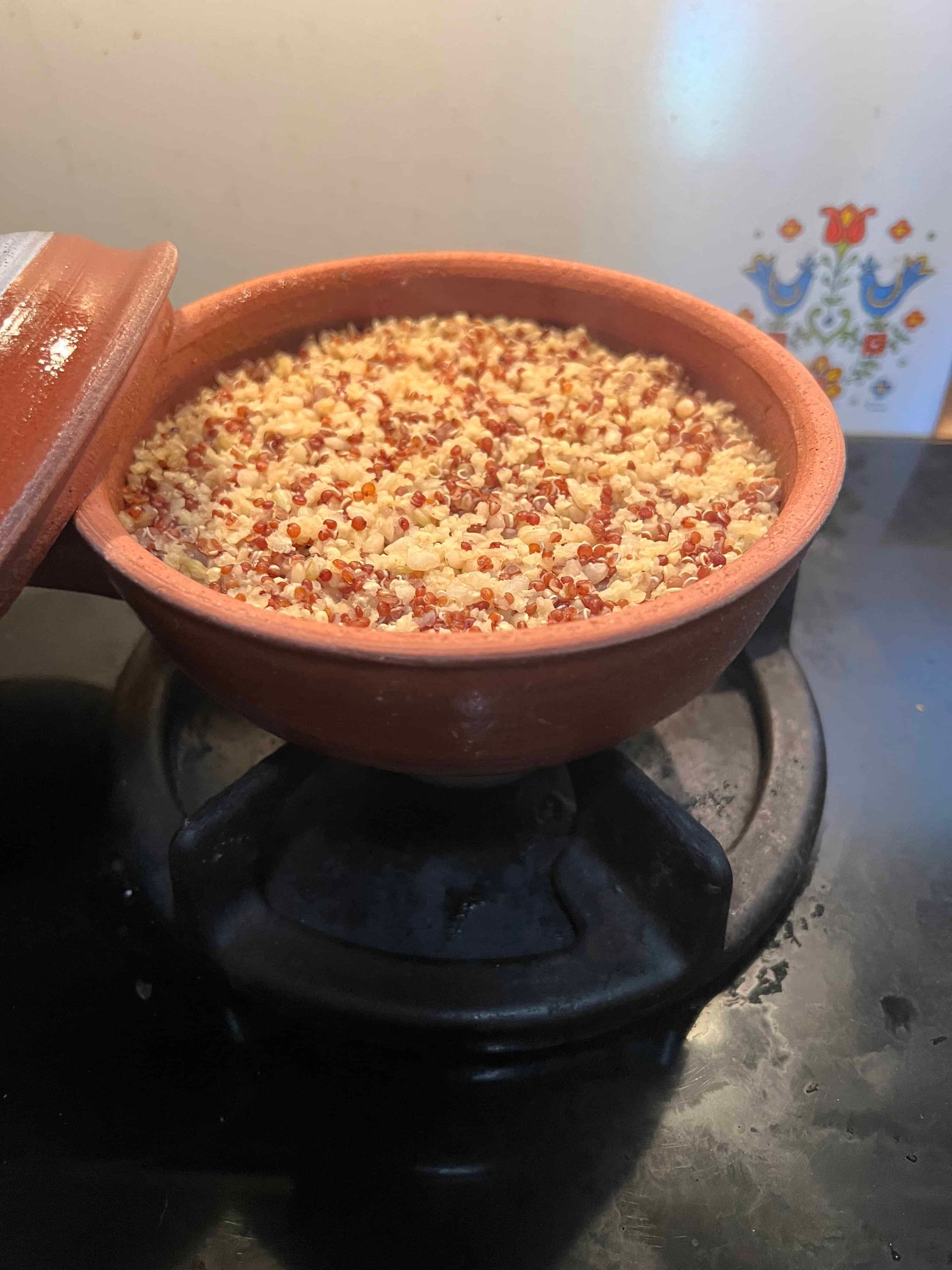
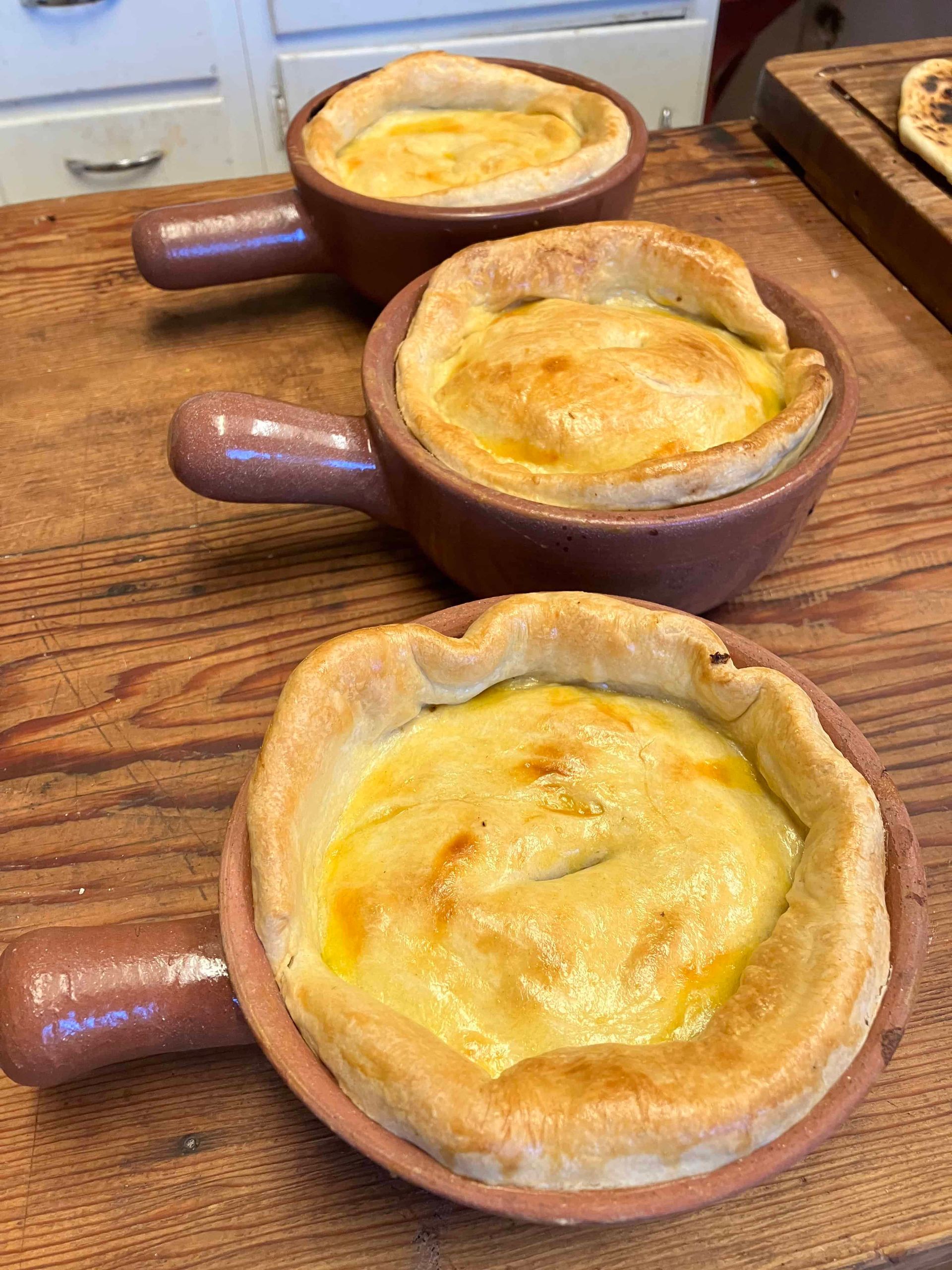
Tuolumne Terracotta Cookware
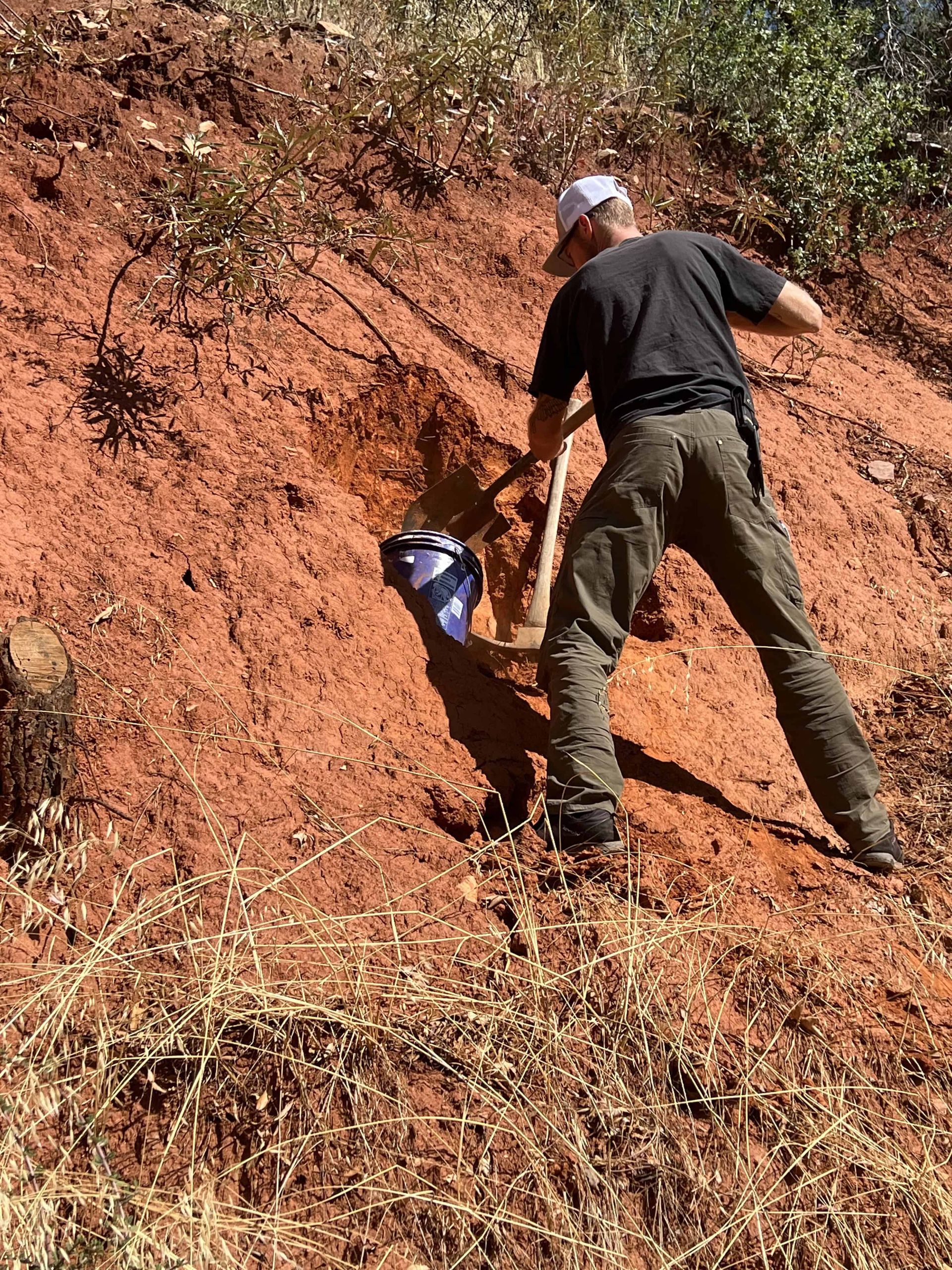
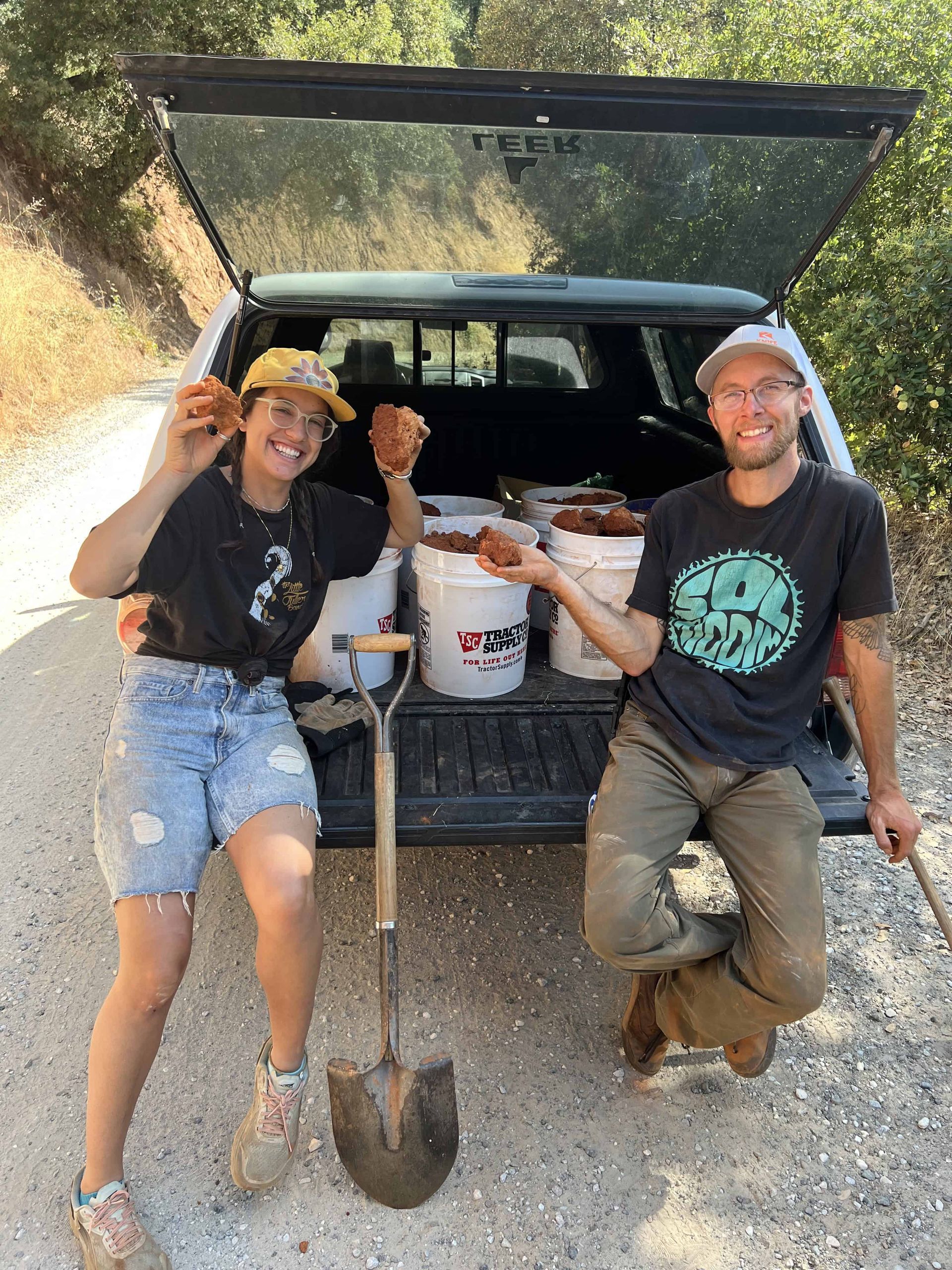
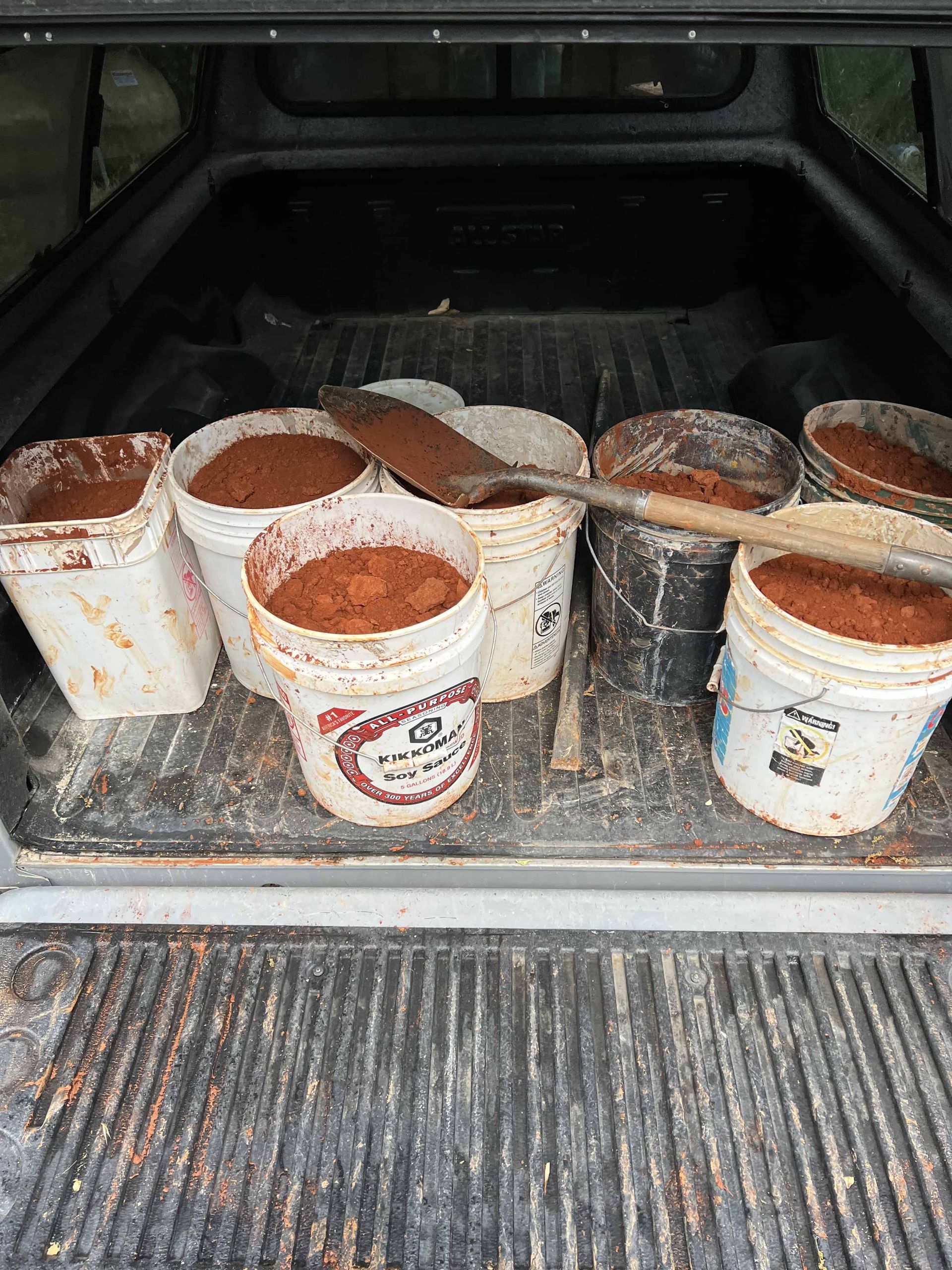
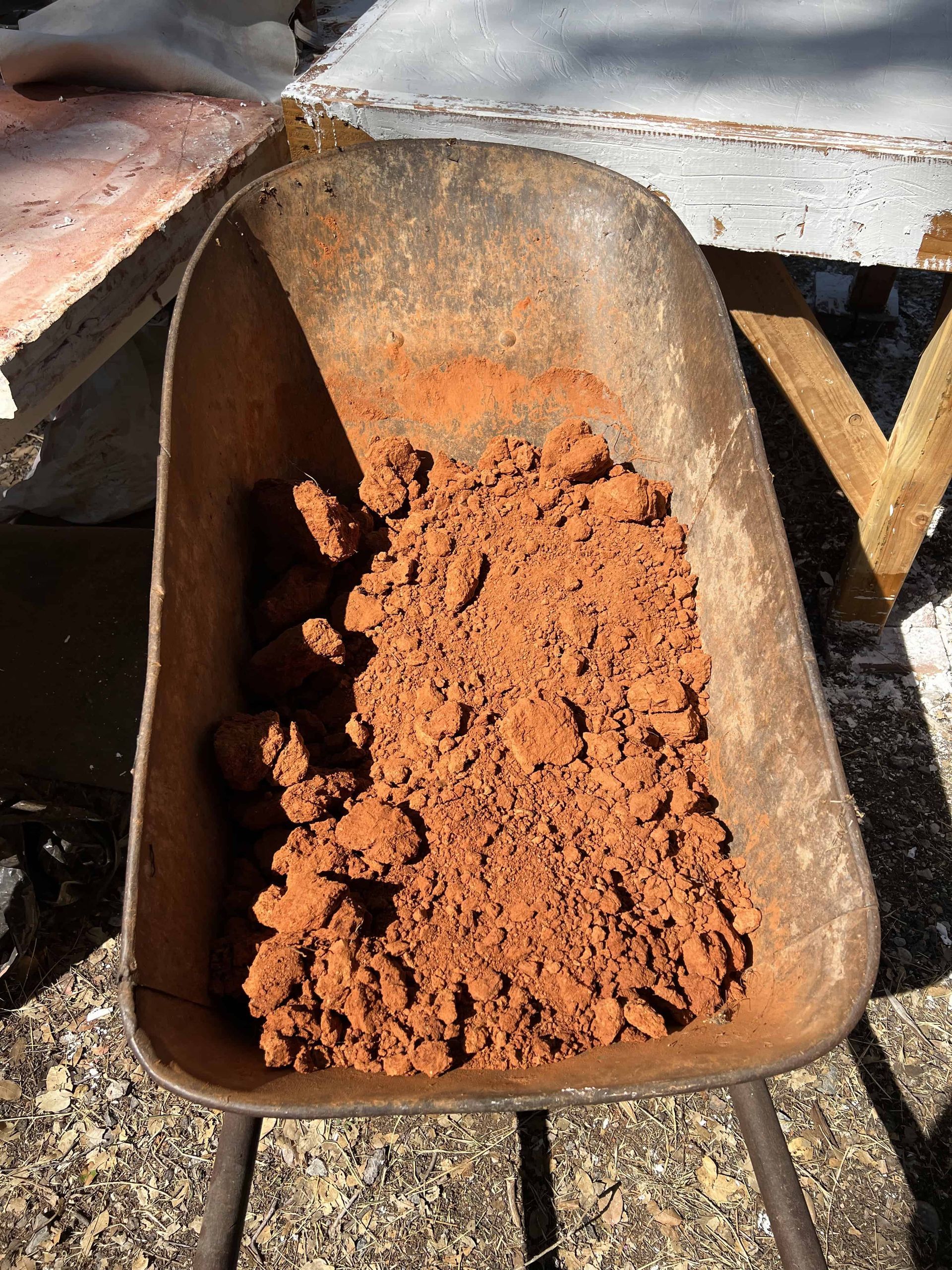
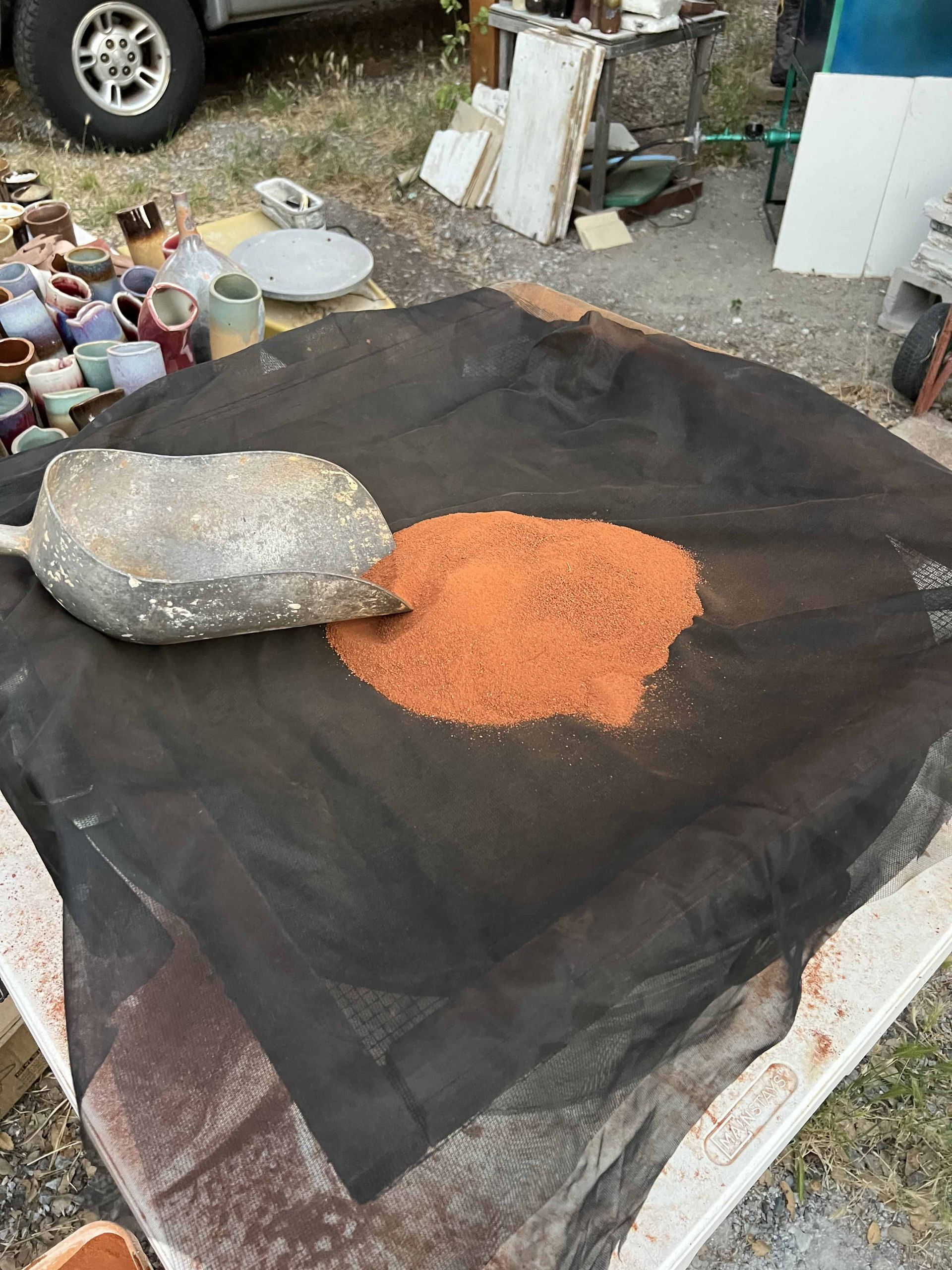
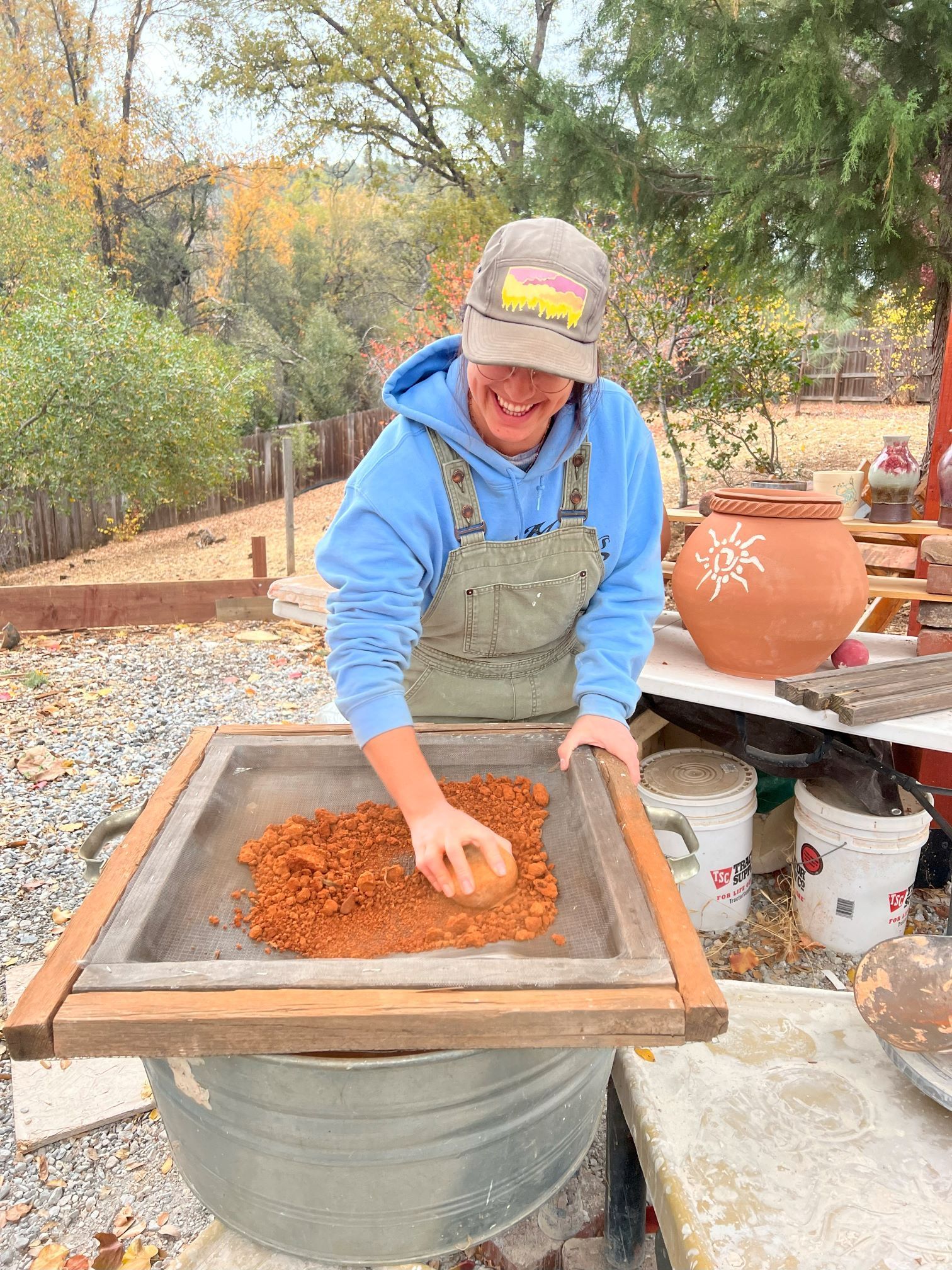
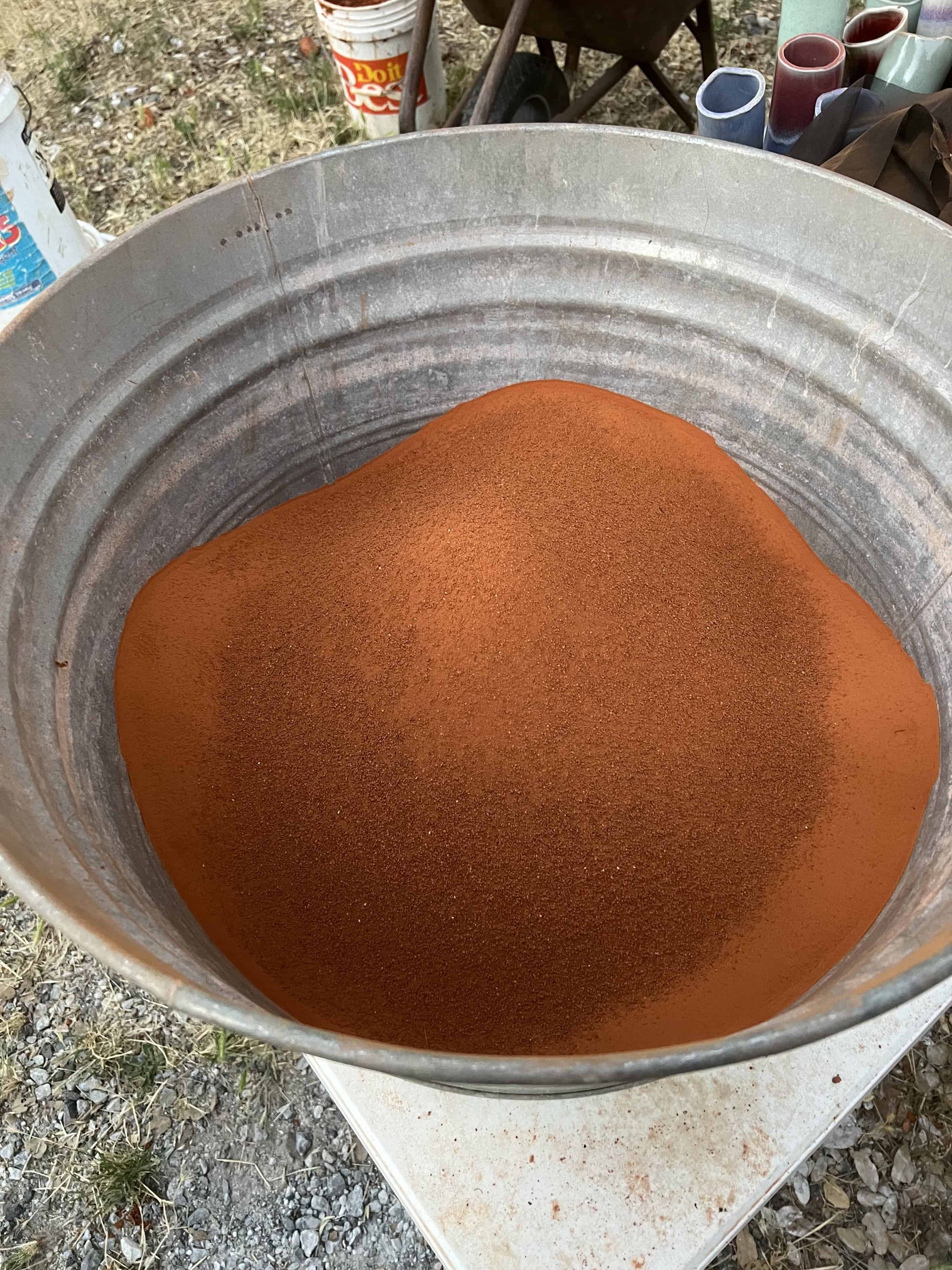
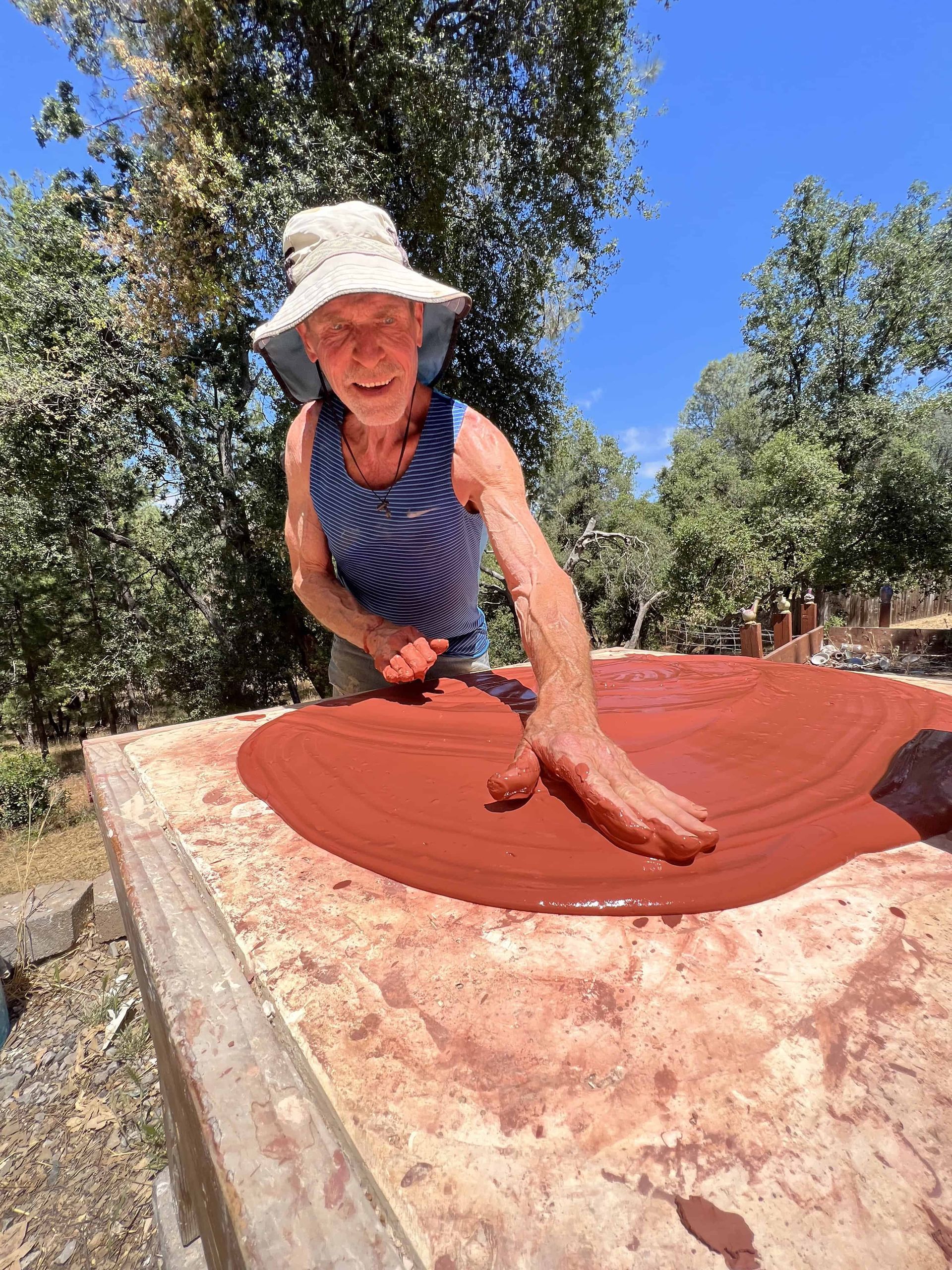
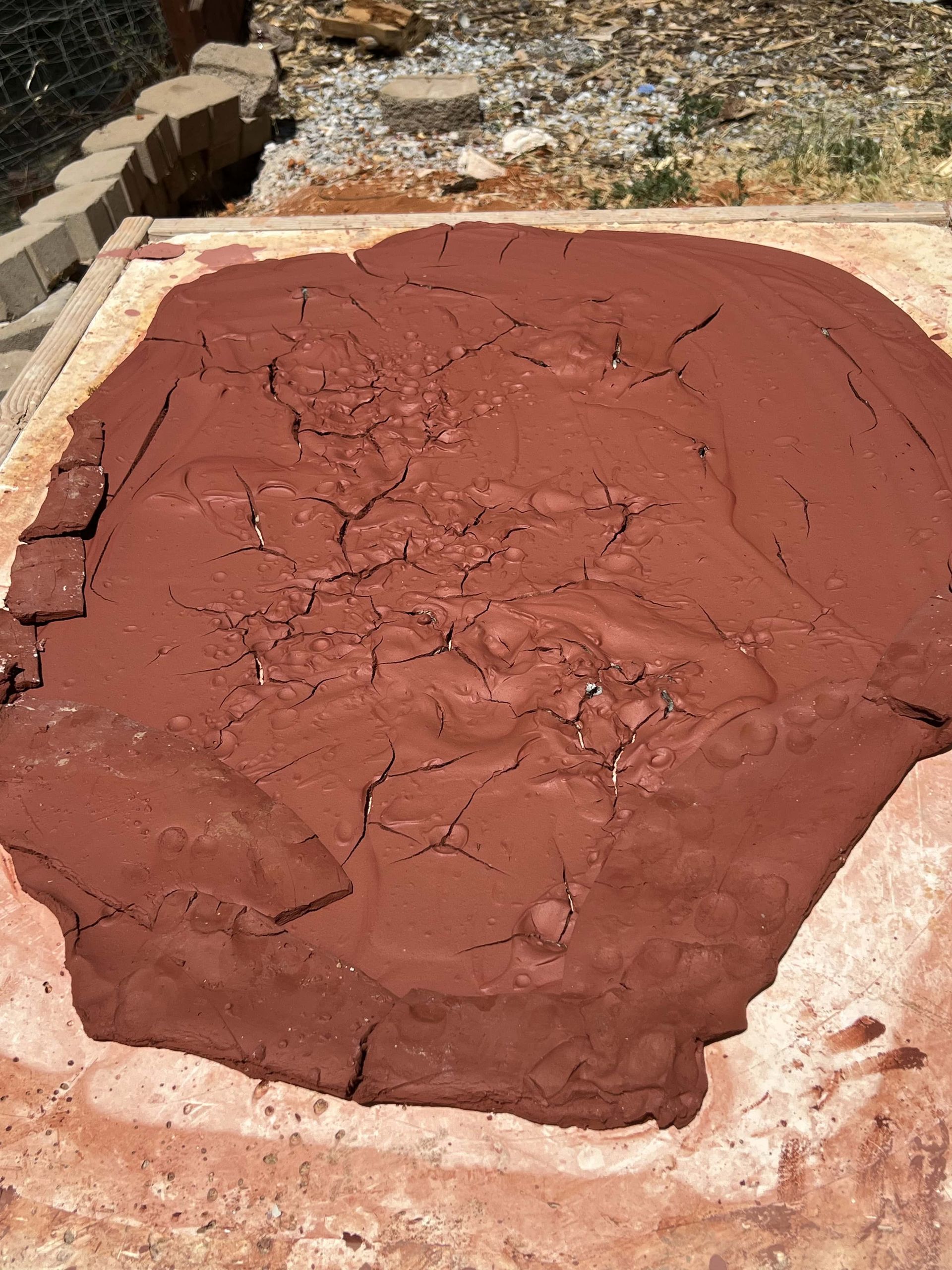
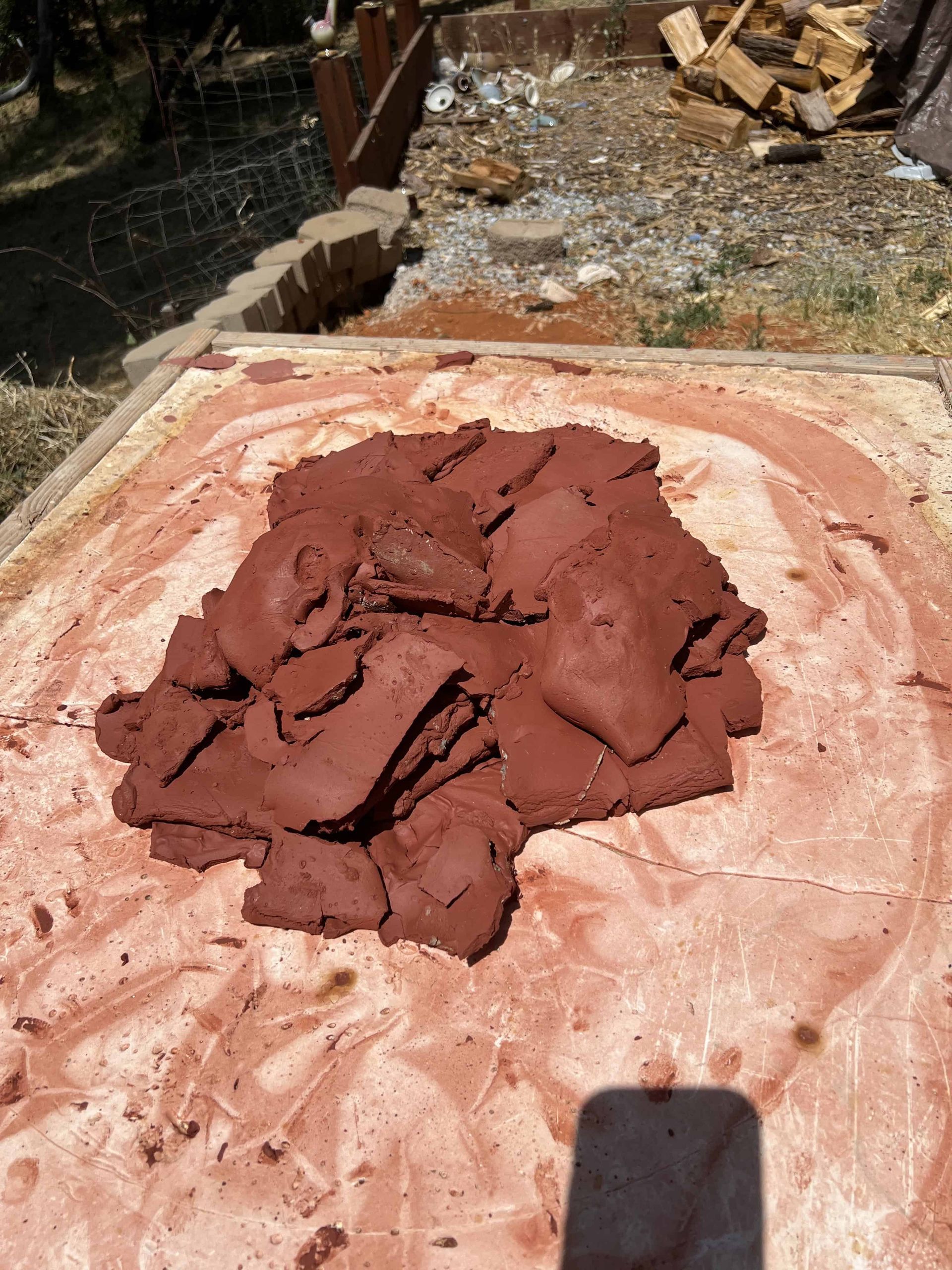
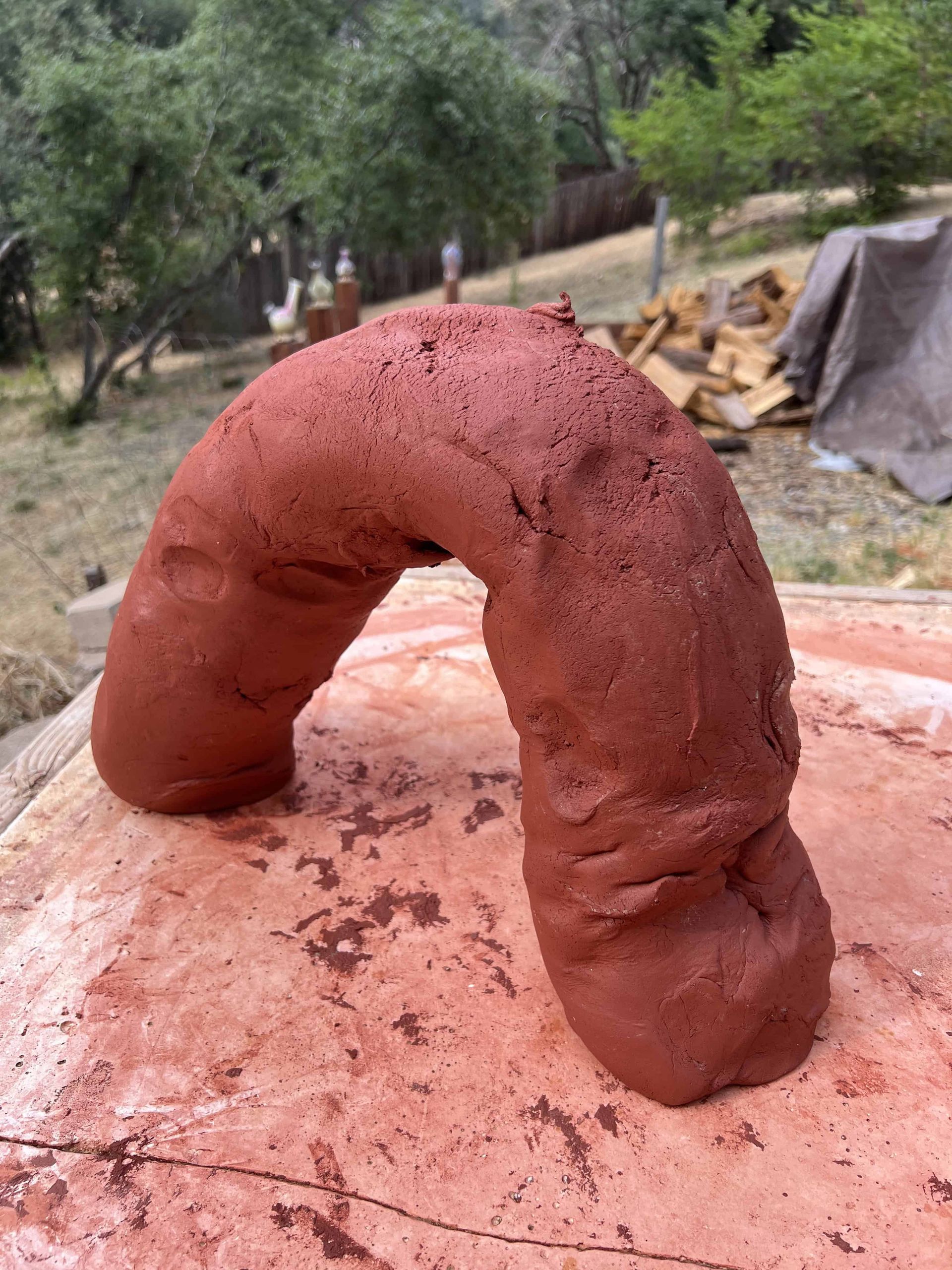
Tuolumne Terracotta Is a locally sourced, unique red earth that is first mined then sieved twice to screen out impurities of sand and quartz.
It is then mixed and blended with other minerals, and test fired dozens of times for color and working properties.
Then, relentless glaze testing is formulated to yield the perfect clarity and durability with non-toxic minerals.
The designing and decorating of each type of cookware is based on the "Form Follows Function" method to assure each pot is precisely made on the potter’s wheel.
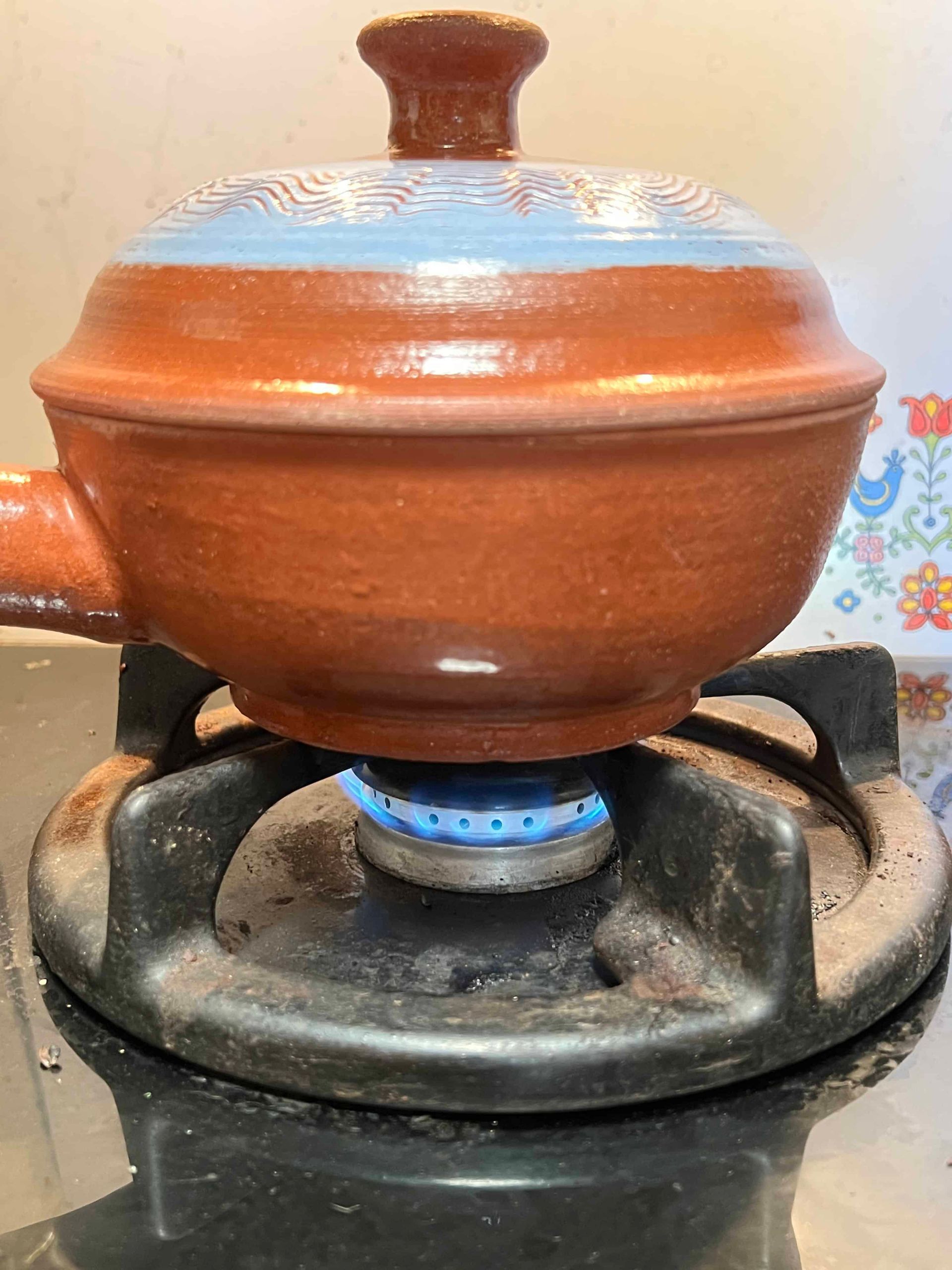
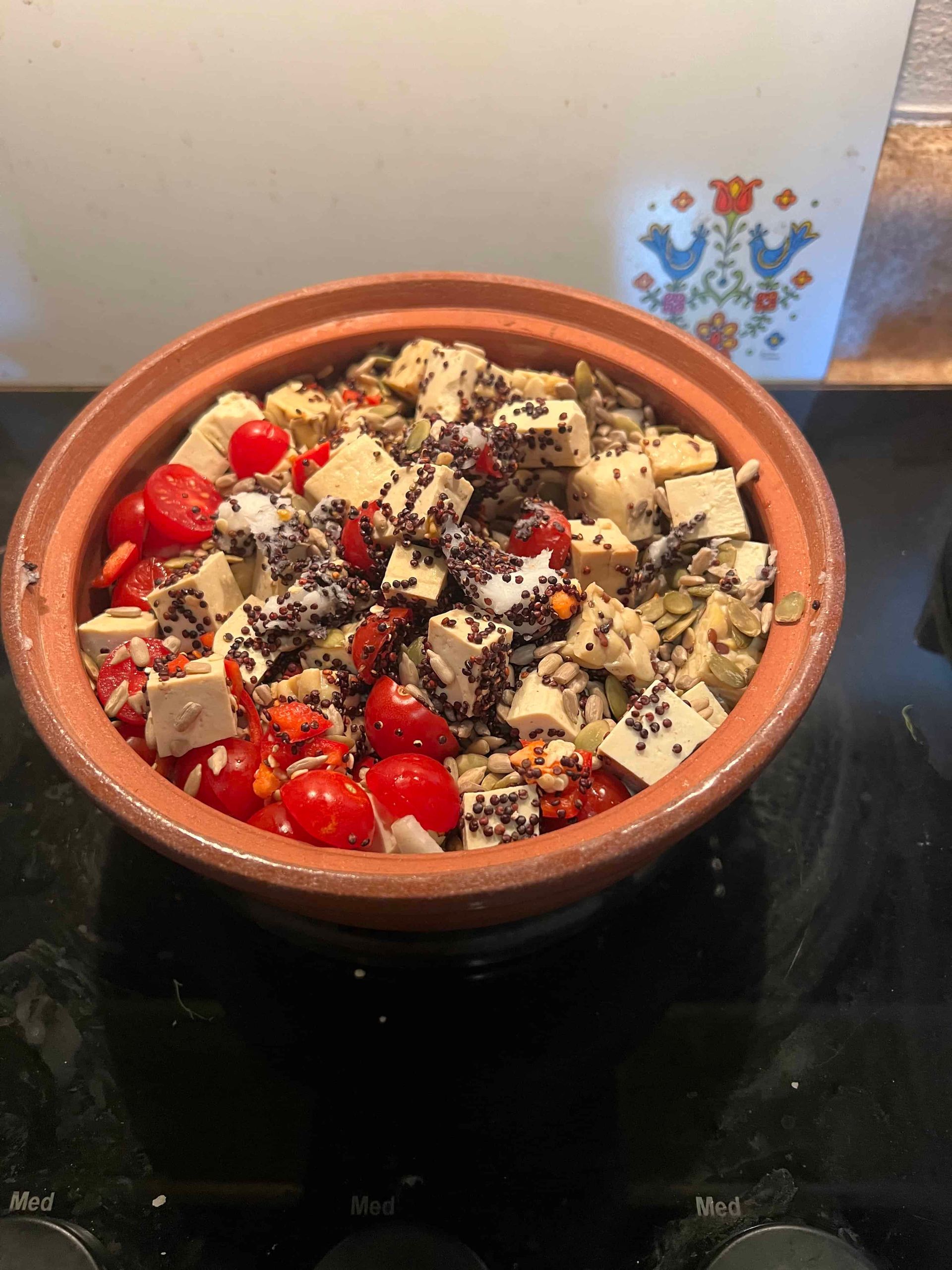
Each type of Tuolumne Terracotta Cookware has been thoroughly tested for durability on stove top, woodstove, and with oven baking.
Preserving your
Terracotta Cookware
Heat Gradually
Clay cookware is sensitive to thermal shock, so take great care to avoid sudden temperature changes or pots will break when heated. Never heat an empty clay pot or use it as a frying pan. Do not set a cold pot over high heat. Instead, use a heat diffuser to soften the heat so the pot can warm gradually and the ingredients heat at the same rate as the pot. Heat water or broth before adding midway through cooking.
Handle Lightly
To avoid accidental breakage, use wood—not metal—tools to stir food, and don't tap spoons on the sides of pots or drag pots across burners. Place a double layer of kitchen linens as a stove-side landing pad for hot pots or lids rather than setting them directly on cold countertops, and use wooden or cloth trivets in lieu of metal.
Clean Gently
Let pots cool completely before washing. To scrape off stuck-on food, soak pots in lukewarm water to soften residue and use a soft sponge to remove. If bacterial growth is of concern, dry the pots in a 200°F oven for 30 minutes before storing them in a cool, dry place.
Fermentation
Sauerkraut recipe
Ingredients
- 1 red cabbage
- 1 green cabbage
- 1 head garlic
- 1 inch of ginger
- 1 large sticks of celery
- 2 medium carrots
- 3 inches of daikon radish
- Fresh dill
- Cayenne powder-(optional)
- Sea or Himalayan salt
Directions
Total max weight of vegetables for a 1-liter crock – 1300 grams
Total max weight of vegetables for a 2-liter crock – 2200 grams
Total max weight of vegetables for a 4-liter crock – 3500 grams
Using a digital kitchen scale weigh the all vegetables individually before chopping.
The cabbages will be the majority of the total weight or about 1400 grams totally for a 2 liter Ferminator.
The remaining vegetables weighing in about 400 grams. Variations in amounts for taste to consider. Multiply the total weight of the ingredients by 2%. 1800 grams x .02=36 grams Himalayan or sea salt.
Carrots – 110 grams
Celery – 100 grams
Head of garlic - 40 grams. Add or remove cloves for this weight
Ginger – 22 grams
Daikon radish – 117
Fresh dill – 3 grams
Cayenne powder to heat it up – 1 gram
Slice the cabbage, carrots, celery, into bite sized pieces. Fine chop the ginger and garlic.
In a large bowl add the 2% sea or Himalayan salt and mix all the ingredients together thoroughly. You’ll notice the water starting to be pulled from the vegetable as you place them into your ferminator. Using the mash stick carefully crush the veggies in small additions then add more and keep mashing until the bowl is empty and the crock is full. Place the weights on top of the mash. No extra water is needed; however, you can add left over brine from a previous batch to your batch or water with 2% salt by weight.
Place the lid onto the ferminator and fill the water mote with water. Keep a glass of water nearby to top off the water level in the mote. It’s important to check this level twice a day and before you go to sleep at night. This keeps the outside air from the interior anaerobic carbon dioxide atmosphere inside the crock. Bubbles of carbon dioxide will bubble up through the water when fermentation is active. As fermentation completes the bubbling will diminish in about 7 to 10 days.
The optimal temperature for fermentation is between 65- and 85-degrees F
To clean use only hot water to rinse the inside/outside. Do not use cleaning produces as they can leave a toxic residue and are unnecessary.
Tip:
To remove water from the water mote for cleaning or pouring the brine out, use a suction bulb.
Even more great fermentation ideas can be found here: 19 Fermentation Recipes for Beginners